
FORTIFIED SPACES
Window hardening is not just “put bars on everything.” It’s a structured way of reducing how easy it is for someone to come through glass and framing, while keeping your home livable and aligned with local rules.
The goal is simple: make the windows that matter most louder, tougher, and riskier to attack than they are today.
Not every pane of glass is equal. We start where break-ins actually happen.
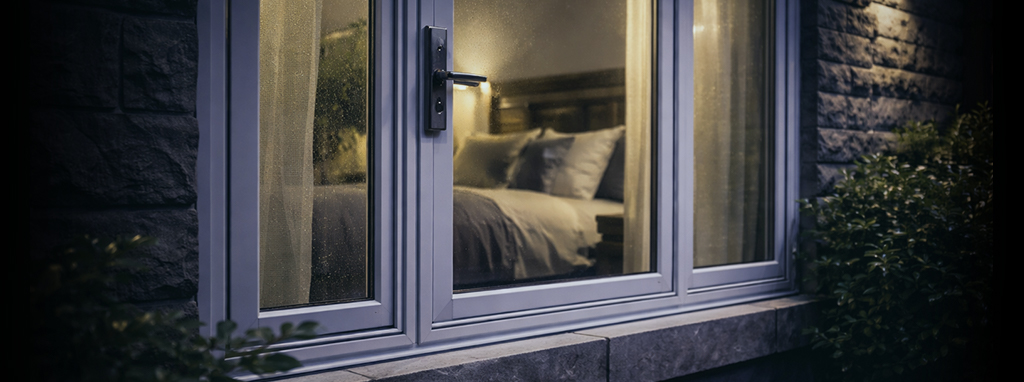
Windows close to where people sleep and where someone can approach unseen.
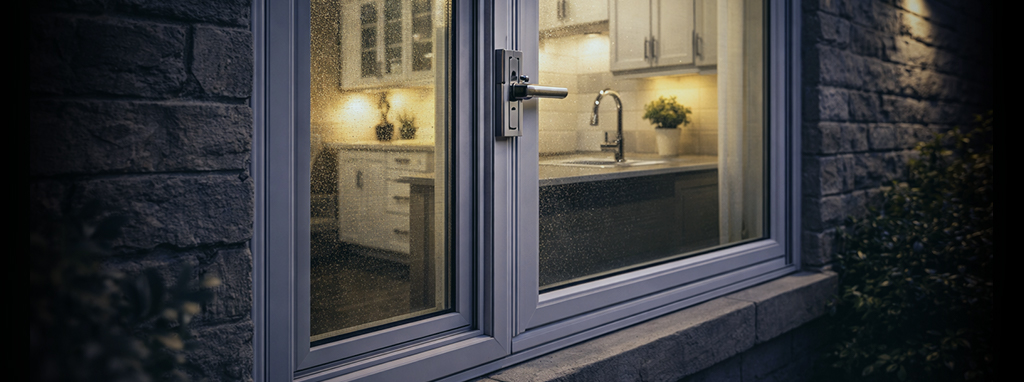
Living spaces, kitchen, and side-yard windows within easy reach.
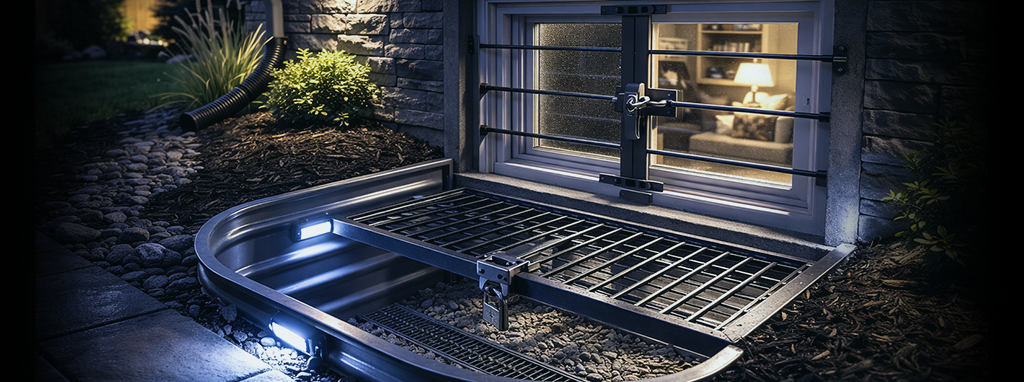
Low, concealed windows that offer quick access from the outside.
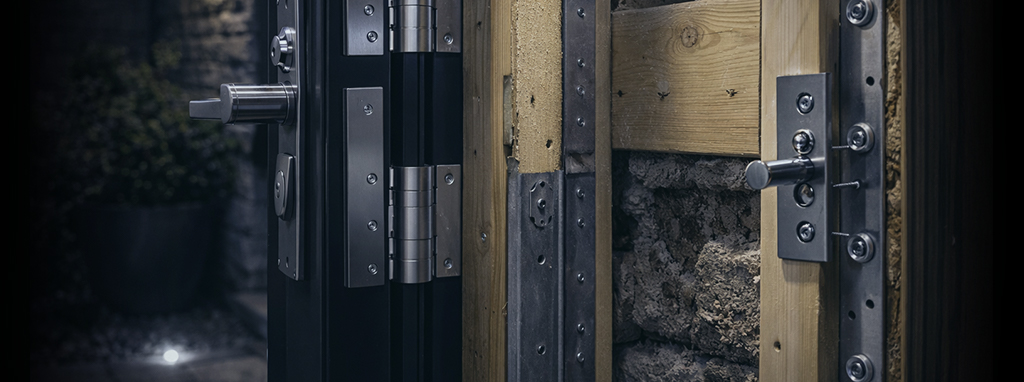
The frame and how it’s tied into the wall are just as important as the glass.
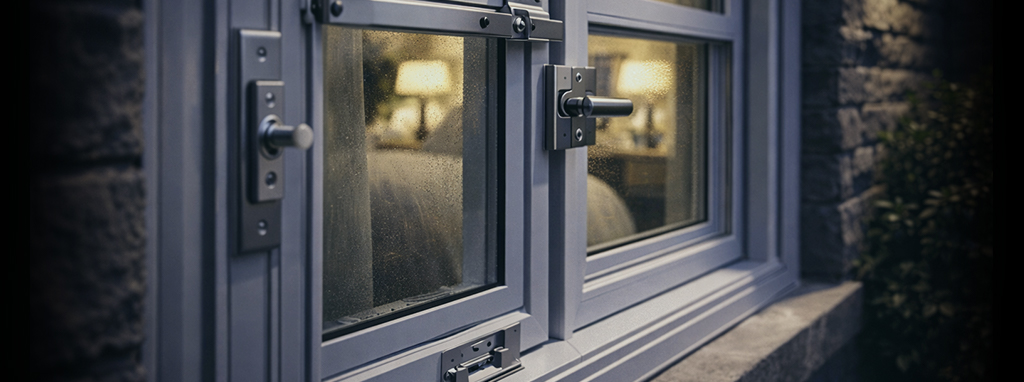
Many windows fail because they barely latch, not because the glass gives out first.
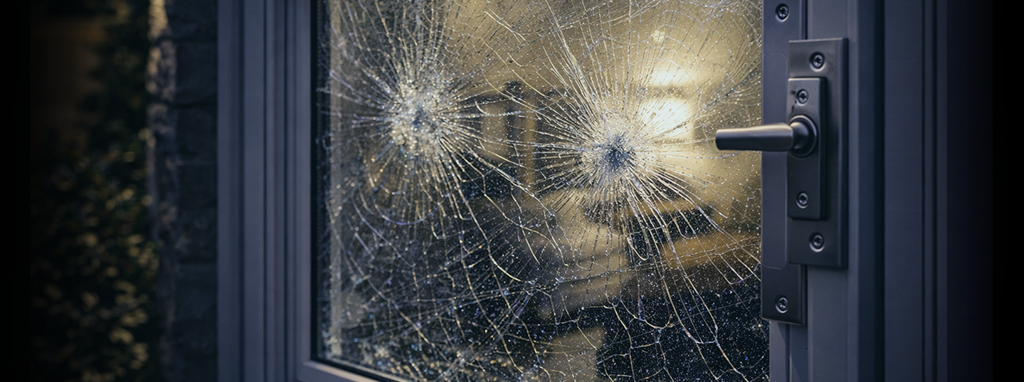
Glass choices and films can dramatically change how a window behaves under impact.
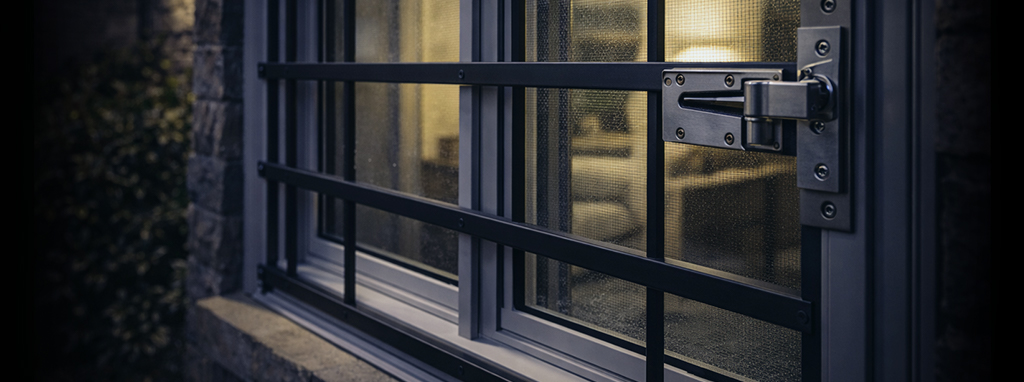
In some locations, physical barriers are the right tool—if they’re done properly.
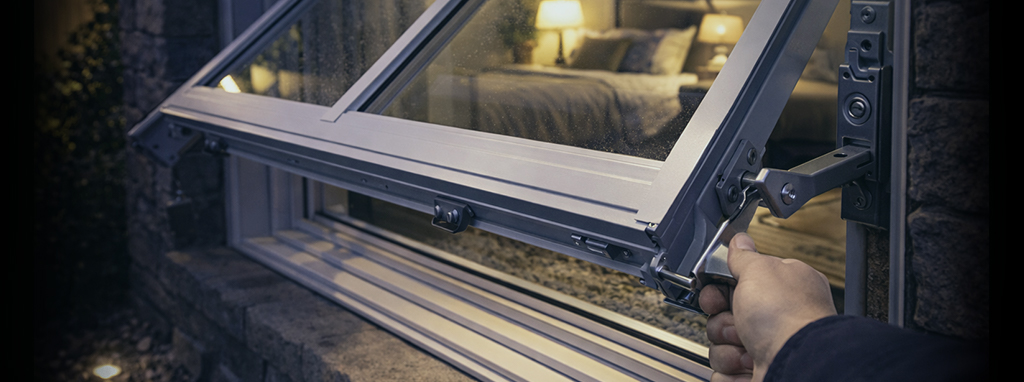
Hardening means nothing if people can’t get out when they need to.
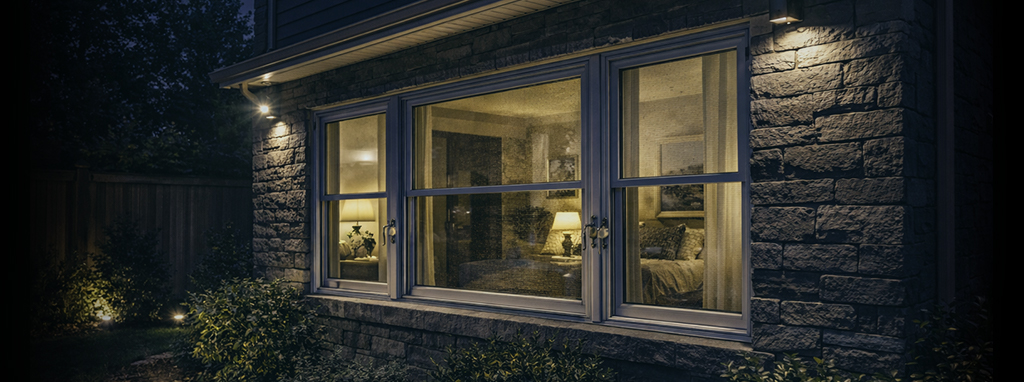
Sometimes, the best deterrent is simply being visible and well-lit.
We treat window work as part of your overall perimeter—not a random list of upgrades.
Most homes have at least a few windows where you instinctively think, “If someone wanted in, they’d pick that one.” Those are the windows this service is built around.
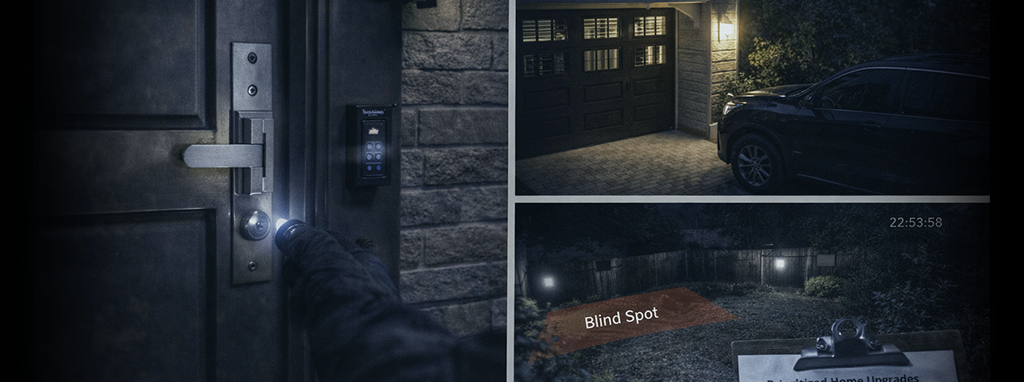
We usually start here. It gives context—how your windows sit in relation to doors, fences, alleys, and camera coverage.
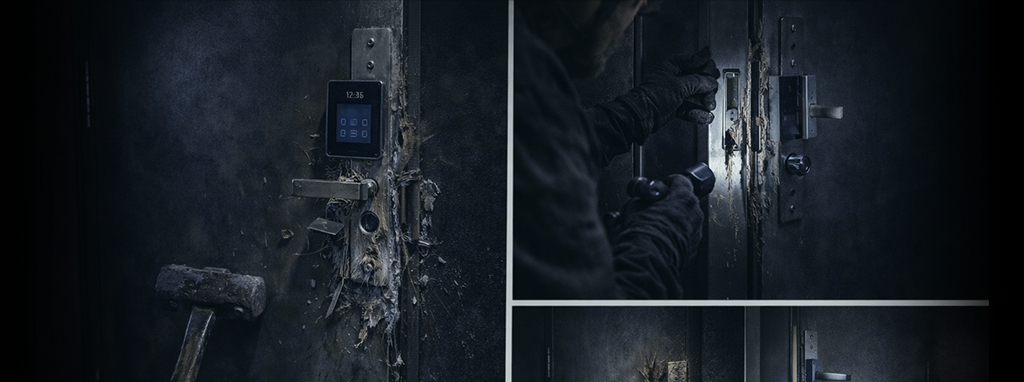
If you’ve had windows broken before—or you’ve tested scenarios—we use that data to shape which treatments make sense.
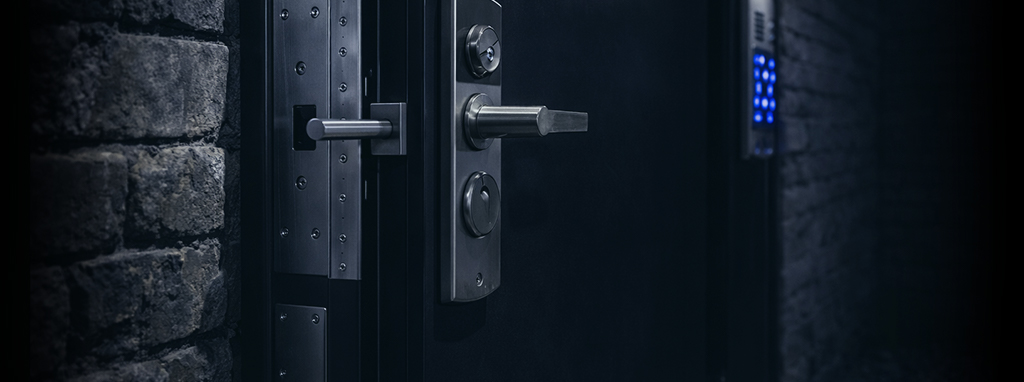
We make sure the windows near or facing your strongest rooms are treated appropriately for their job in your plan.
Window hardening is quoted based on the number of windows, their size and type, and which treatments you choose (film, hardware, replacement, or barriers). Seeing the actual home matters more than guessing over a message.
If you’re in the Langley / Lower Mainland area and you know exactly which windows keep you up at night, this is one of the simplest ways to start shifting that feeling.
There will always be glass. The question is whether the windows someone notices first are the same ones you’ve already thought about, upgraded, and built into your plan.