
FORTIFIED SPACES

Safe Rooms And Panic Rooms

Purpose-built rooms inside your home designed to slow forced entry, protect the people inside, and keep you connected to help – without advertising themselves as “the room with everything in it.”
 
Custom quoted based on size, build level, and integration
 

What A Safe Room Is

A safe room is a hardened room or zone inside your home that gives you a strong, defensible place to move to during a break-in, targeted threat, or other high-stress event. It is not about living in fear – it is about buying time, creating distance, and keeping communication open until the situation is under control.

  • From the hallway, it can look like a normal bedroom, office, or storage room.
  • From your side, the door set, framing, hardware, and layout have been upgraded to do more work.
  • The design is based on your home, your family, and your risk – not a one-size-fits-all kit.

“Panic room” is the dramatic name. In practice, a good safe room is calm, simple to use, and built to support clear decisions – not panic.

Types Of Safe And Panic Rooms We Build

Different homes call for different approaches. These are the most common patterns.
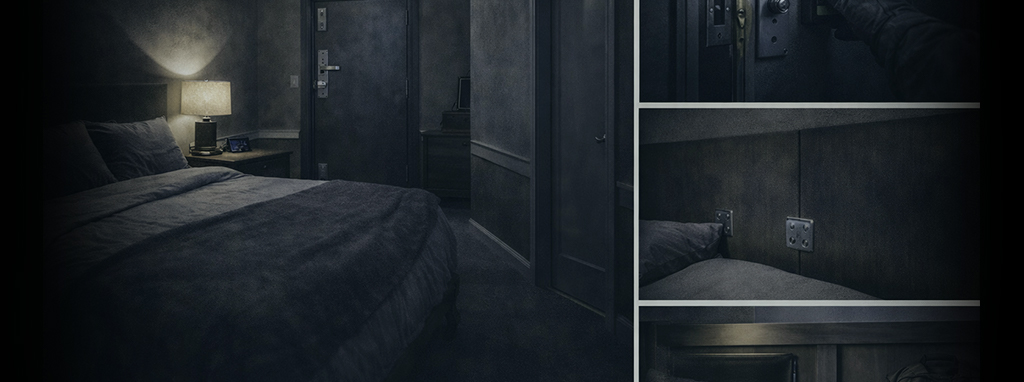
Primary Bedroom Safe Rooms

Primary Bedroom Safe Rooms Web 1

Your main sleeping space upgraded as the core shelter-in-place location.
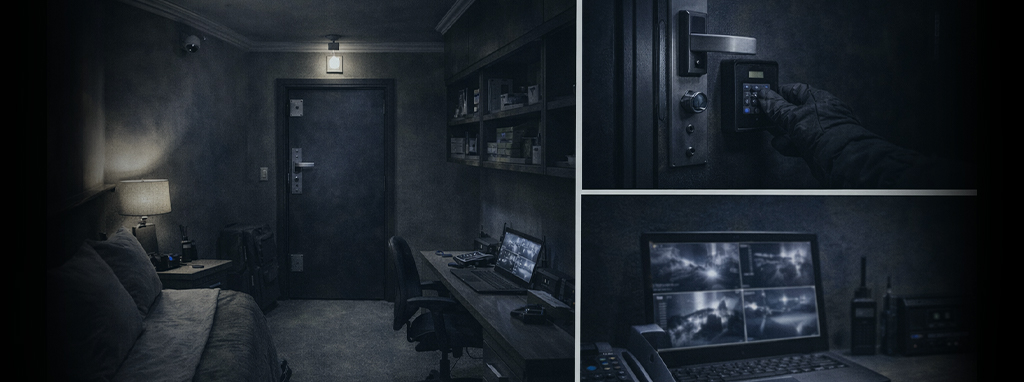
  • Reinforced door frames, strikes, hinges, and hardware.
  • Targeted wall and anchor upgrades where they matter most.
  • Layout and furniture adjusted to support cover and movement.
  • Clean finishes so it still feels like a normal bedroom.

Dedicated Internal Safe Rooms

Dedicated Internal Safe Rooms Web 1

A specific room chosen for strength and access, then purpose-built as your strongest option.
  • Often an internal office, closet, or storage room.
  • Door and frame systems engineered for forced-entry resistance.
  • Space planned for short-duration stays with essentials.
  • Planned integration with cameras, alarms, and comms if present.

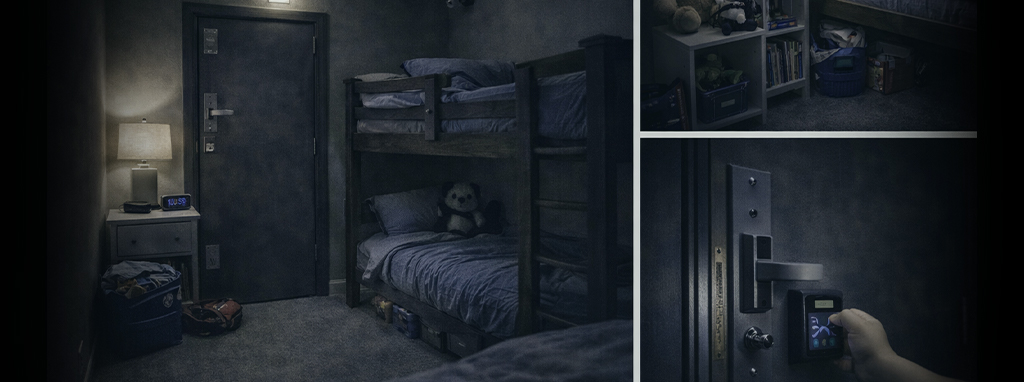
Children’s Rally Safe Rooms

Childrens Rally Safe Rooms Web 1

Spaces designed with kids in mind – simple paths, simple rules, and extra focus on calm.
  • Clear, short routes from kids’ bedrooms.
  • Locks and hardware sized and positioned for real use.
  • Age-appropriate storage for comfort and essentials.
  • Designed to tie into family drills and code words.

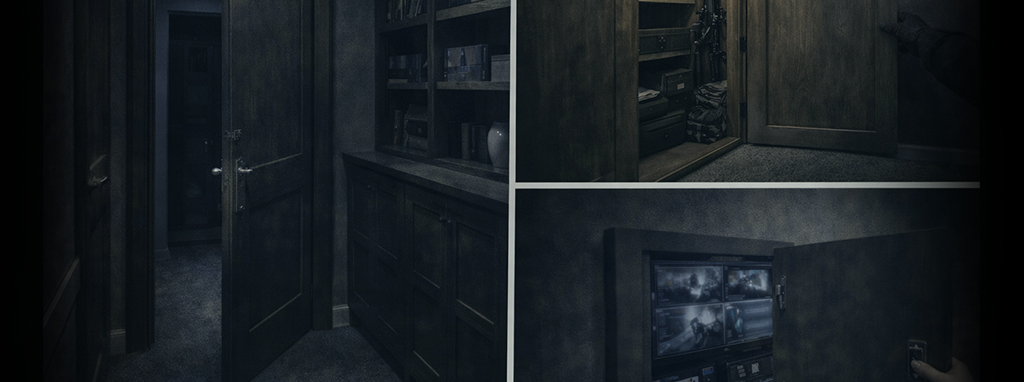
Discreet “Behind” Rooms

Discreet Behind Rooms Web 1

Rooms concealed behind cabinetry, millwork, or secondary doors for added delay and confusion.
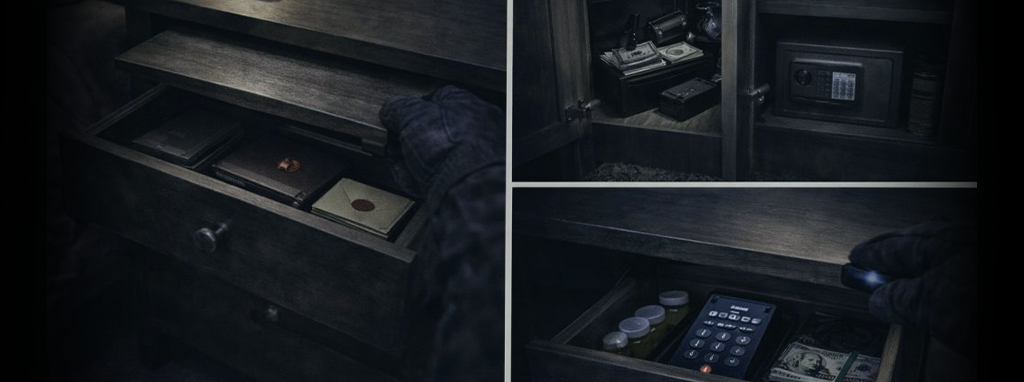
  • Hidden entries built into existing walls or storage.
  • Options for quick-close or “never noticed” designs.
  • Attention to noise, light leaks, and footprints.

Hybrid Safe / Storage Rooms

Hidden Storage hybrid safe Web

Spaces that protect both people and critical items, within local laws and best practices.
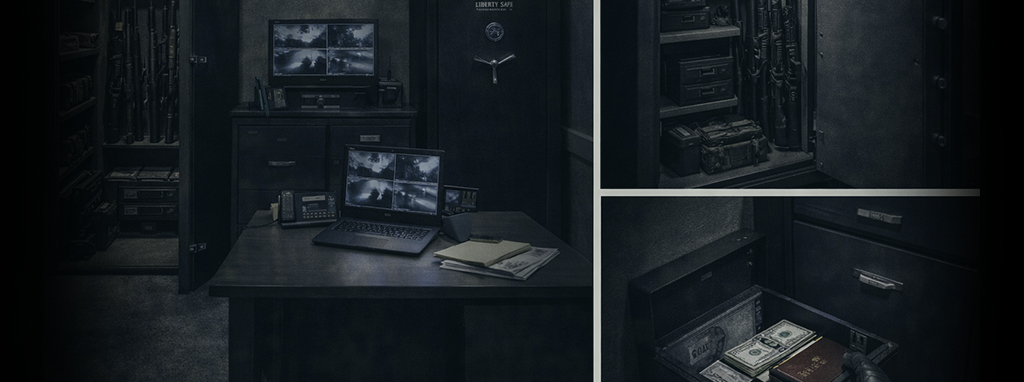
  • Secure storage for documents and valuables.
  • Integration with compliant storage for defensive tools where lawful.
  • Layout that keeps people and storage working together, not competing.

Faraday-Integrated Rooms

Faraday Integrated Rooms Web 1

Safe rooms that also incorporate signal-control concepts where privacy is a concern.
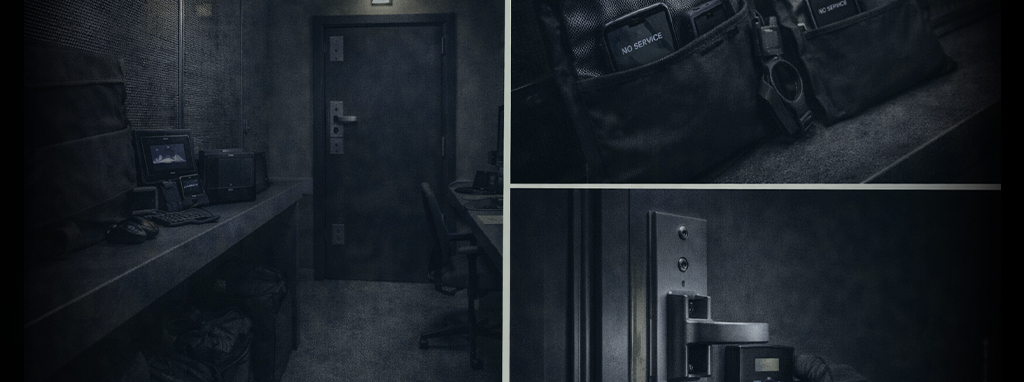
  • Concept-level Faraday treatment for key surfaces.
  • Controlled charging and device-handling areas.
  • Matched with privacy-focused routines and habits.

What We Design For Inside A Safe Room

Delay And Denial

Delay And Denial Web 1

The primary job of a safe room door and structure is to make forced entry harder, louder, and slower.
  • Reinforced door frames, strikes, hinges, and fasteners.
  • Appropriate door slabs and hardware for your risk level.
  • Attention to flanking walls and weak points nearby.

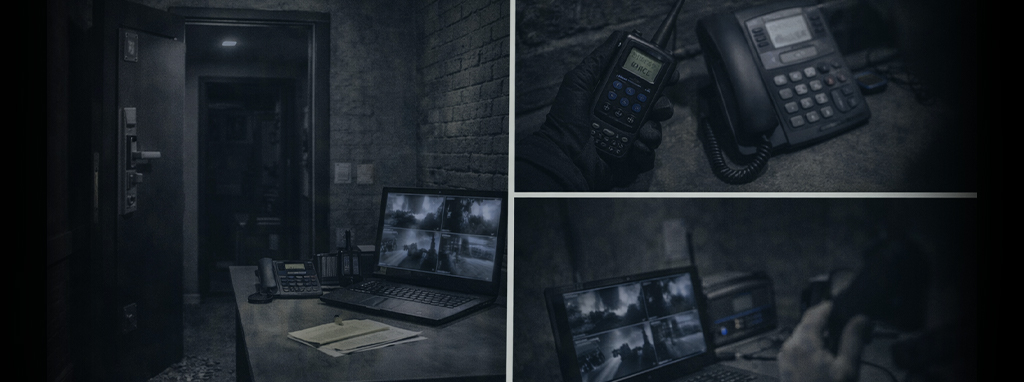
Communication And Awareness

Communication And Awareness Web 1

You need to be able to call for help and understand what’s happening outside the door.
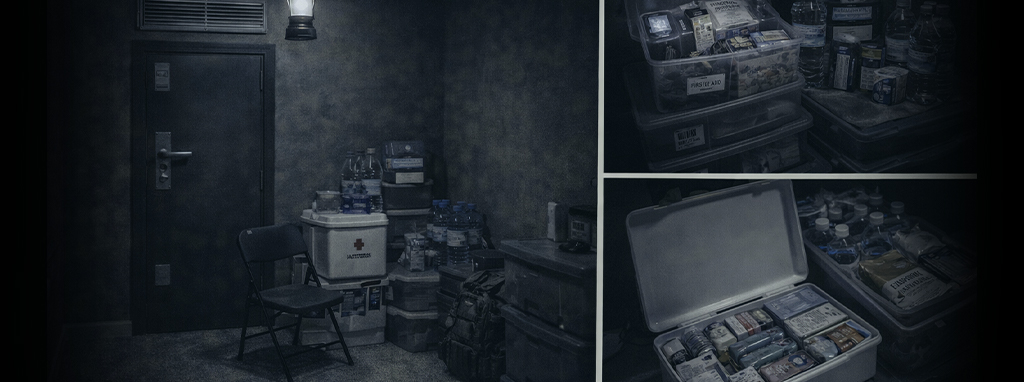
  • Support for phones, radios, or intercoms.
  • Integration with existing cameras where possible.
  • Noise management so you can hear and be heard clearly.

Comfort And Duration

Comfort And Duration Web 1

Even short-duration events feel long. The room should support clear decisions, not add stress.

  • Ventilation, temperature, and backup lighting considerations.
  • Seating, water, basic medical and comfort items.
  • Storage designed around your family’s needs.

How A Safe Room Project Works

We keep the process grounded and transparent – from first conversation to final walkthrough.

  • Consultation. We talk through your goals, past incidents (if any), family structure, and what you want this room to do.
  • Assessment And Location Selection. We walk the home and identify the best candidate rooms based on structure and movement.
  • Concept And Build Levels. We sketch options: light hardening, full safe room, or more discreet configurations.
  • Detailed Scope And Quote. You see materials, hardware, and phasing before any work begins.
  • Build & Integration. We complete or coordinate the work, then tie the room into your drills, alarms, and daily routines.

What You Leave With

  • Clearly defined room built for worst-case scenarios.
  • Hardware and structure selected for your threat level and budget.
  • Simple instructions and rules for using the room.
  • Integration points for training, cameras, and other ARX services.
  • Documentation you can keep for your records and trusted professionals.
 
Typical project flow

Who Safe And Panic Rooms Are For

Not every home needs a safe room. For some families and situations, though, it’s the layer that means you can stay where you are instead of planning to leave the area entirely.

  • Families who want a clear, defensible rally point for worst-case scenarios.
  • People in high-conflict separations, harassment, or targeted risk situations.
  • Public-facing individuals or business owners with elevated exposure.
  • Homeowners with critical assets who want people-first protection built around them.

The aim is not to padlock yourself away from the world. The aim is to know that if the one night you never wanted actually shows up, there is a room in your home that was designed for that exact night – not just for how it photographs.
Built On ARX HomeGuard’s Full System

150-Point Assessment

150 Point Assessment Web 4 1

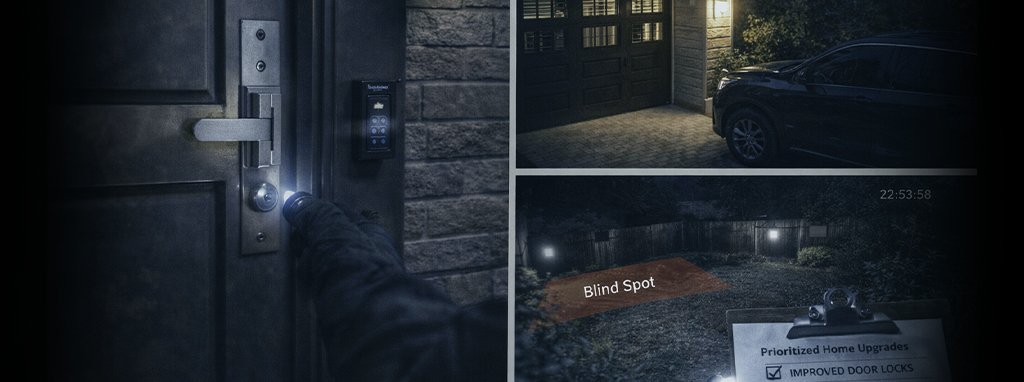
Most safe-room projects start with a full home assessment. That way, the room you choose and the upgrades you make line up with the rest of your home’s strengths and weaknesses.
  • Identifies likely breach paths and blind spots.
  • Helps choose the right room and approach.
  • Prevents overspending in the wrong places.

Breach Testing And Hardening

Breach Testing Web 2 1

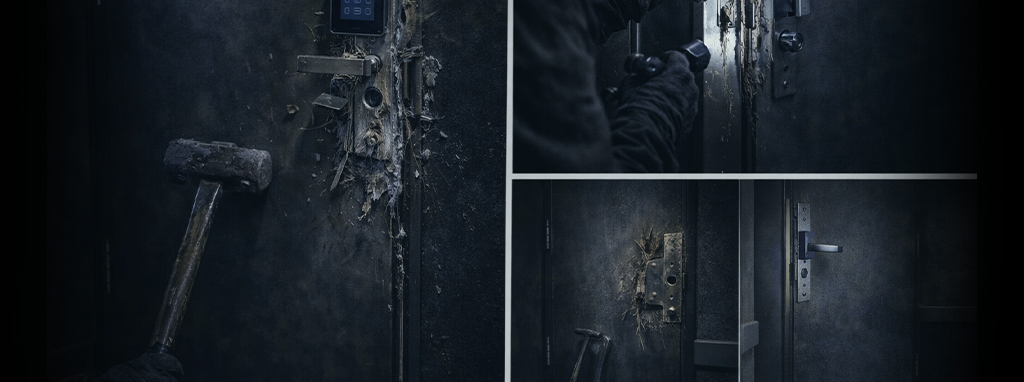
If a door, frame, or layout has already failed, or you’ve done breach testing, we fold those lessons directly into your safe-room design.
  • Uses real failure data instead of theory.
  • Targets reinforcement at proven weak points.
  • Strengthens paths into and around the safe room.

Family Training And Drills

Family Training Drills Web 2 1

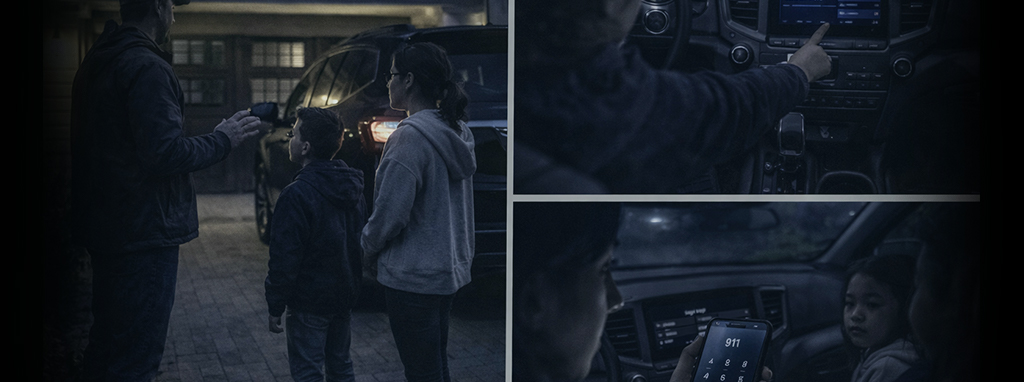
A safe room only works if people know when and how to use it. Training and drills make sure your family can reach it and use it under stress.

  • Night-time and “noise in the house” scenarios.
  • Clear rules for entering, locking, and staying put.
  • Age-appropriate guidance for kids and teens.

Pricing And Next Steps

Because every home and every safe room is different, pricing is project-specific. We don’t quote safe rooms over a single email. We start with a conversation and, usually, an on-site assessment.

  • Design-only packages are available if you have your own trusted contractors.
  • Full design-and-build projects are quoted after in-person review.
  • You see a clear scope, phases, and materials list before work begins.

If you’re in the Langley / Lower Mainland area and want to explore a safe or panic room for your home, the first step is a focused consultation on your layout, risk, and goals.

Give Your Home One Room Built For The Worst Day

You can’t control when or if a worst-case scenario shows up. You can control whether there is at least one room in your home that was built with that day in mind.