
FORTIFIED SPACES
Reinforced Doors, Frames & Hardware
What This Service Actually Is
- We start from how doors actually fail during kicks, pries, and impacts.
- We prioritize the openings that matter most: where your family sleeps and where attackers are most likely to try first.
- We use hardware and reinforcement patterns chosen for your threat level and budget—not a one-size-fits-all kit.
The goal is simple: doors and frames that buy you time, make more noise, and take more effort to get through—so you have space to move, call, and execute your plan.
Where We Focus First
Not every door is equal. We target the openings that matter most in real incidents.
Primary Entry Doors
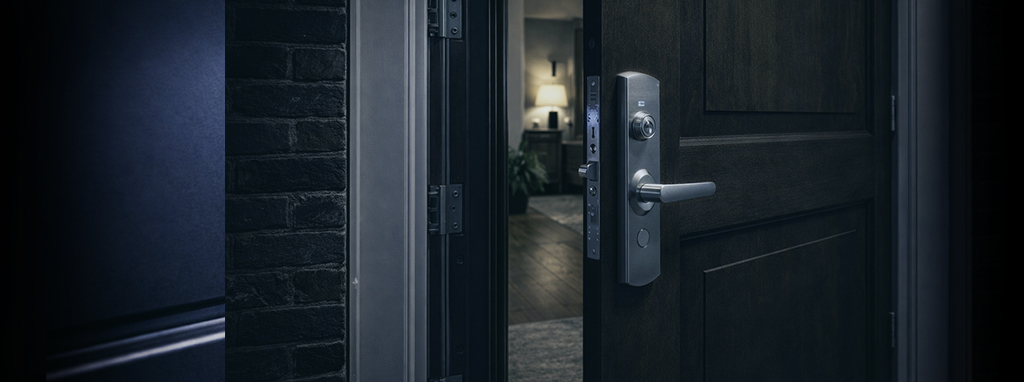
The doors people actually use – front, back, and the door from garage into the house.
- Frame and strike reinforcement at latch and deadbolt height.
- Door slabs appropriate to your climate and risk.
- Hinge-side protection to reduce splitting and peel-out.
- Lock and handle sets that work with your routines.
Secondary & Side Doors
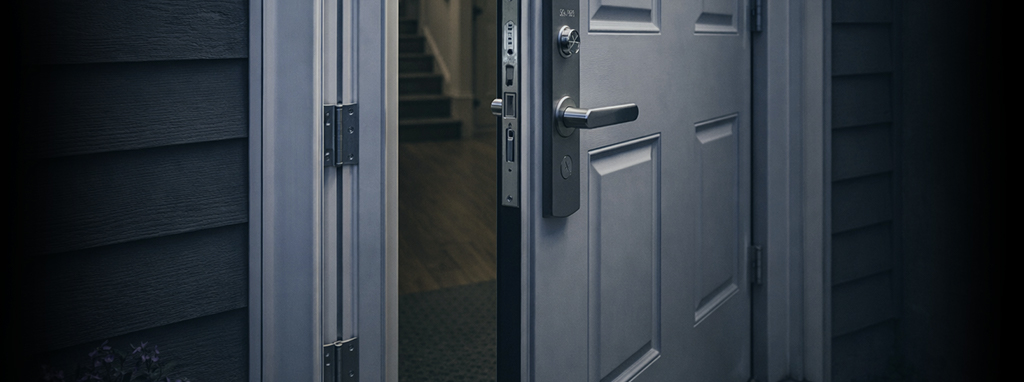
Often the weakest, least-noticed openings — exactly where someone motivated will try.
- Side doors, basement walkouts, and rear entries.
- Old or builder-grade frames brought up to standard.
- Hardware upgrades that don’t scream “fortress” from the street.
Interior Critical Doors
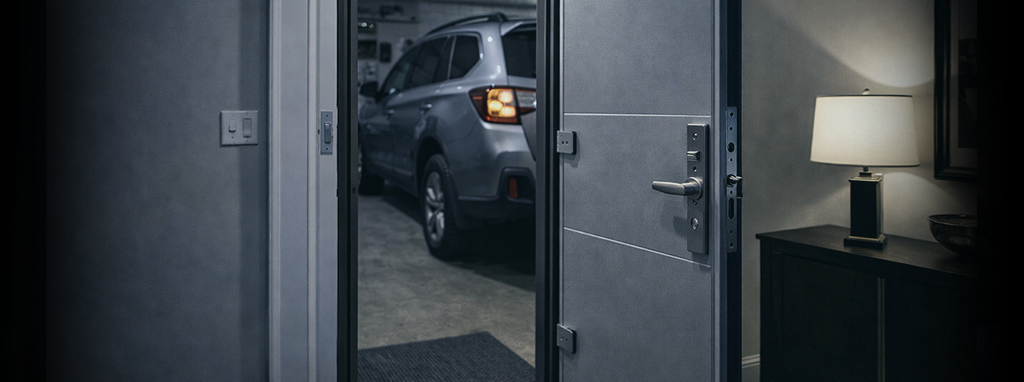
Doors that separate family space from garage, storage, or Fortified Spaces.
- Garage-to-house fire-rated doors with better hardware.
- Doors that lead into safe rooms or Fortified Spaces.
- Selective reinforcement where failure would matter most.
Layers Of Reinforcement We Look At
Frames & Strikes
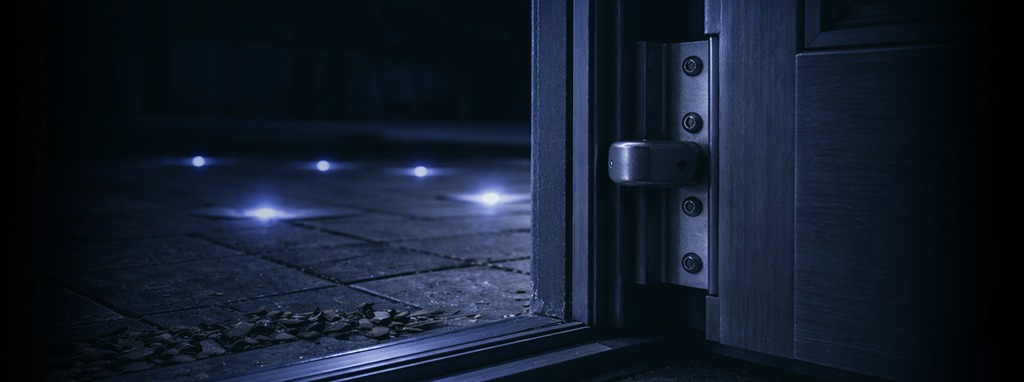
The frame and strike plate are where most doors actually fail.
- Reinforced jambs and continuous strike or multi-point strike systems.
- Longer, properly anchored fasteners into structure, not just trim.
- Attention to shims, gaps, and weak sections around the latch area.
Door Slabs
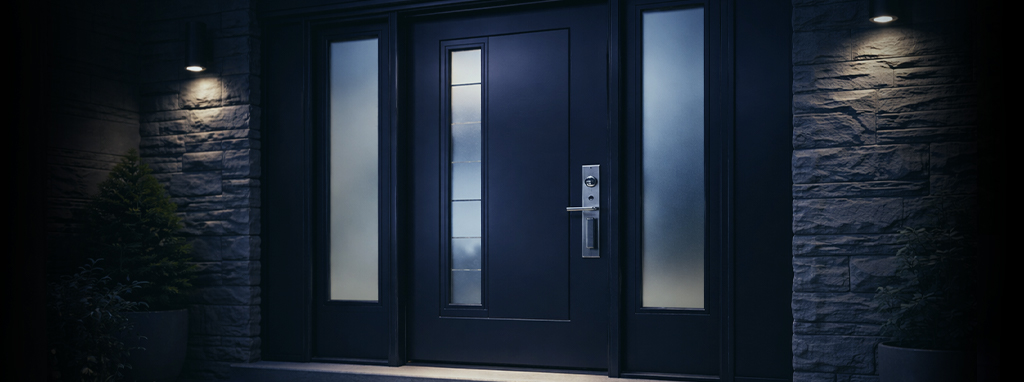
The slab has to match the job you’re asking it to do.
- Review of existing slabs for weakness, damage, or design issues.
- Options for upgraded slabs where needed, matched to your home’s look.
- Consideration for glass inserts, sidelites, and vision panels.
Hinges & Hinge-Side Protection
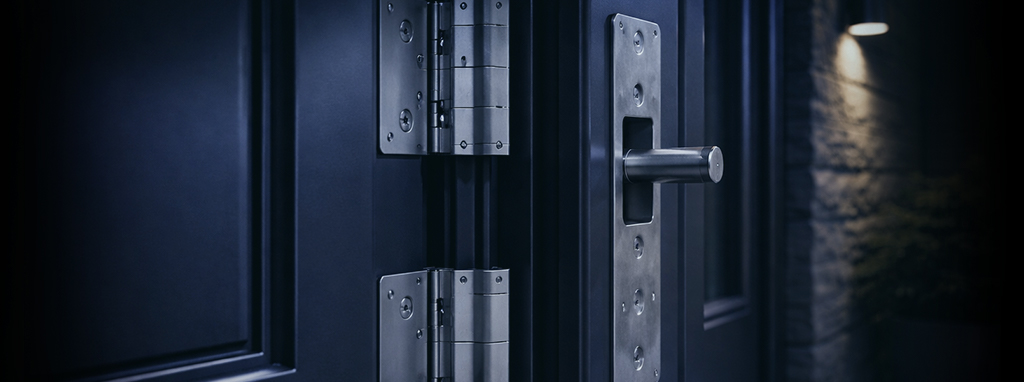
The hinge side is often the forgotten failure point.
- Upgraded hinges and hinge screws into structure.
- Hinge bolts or pins where appropriate.
- Attention to how the door will fail if force is applied from different angles.
Locks & Hardware
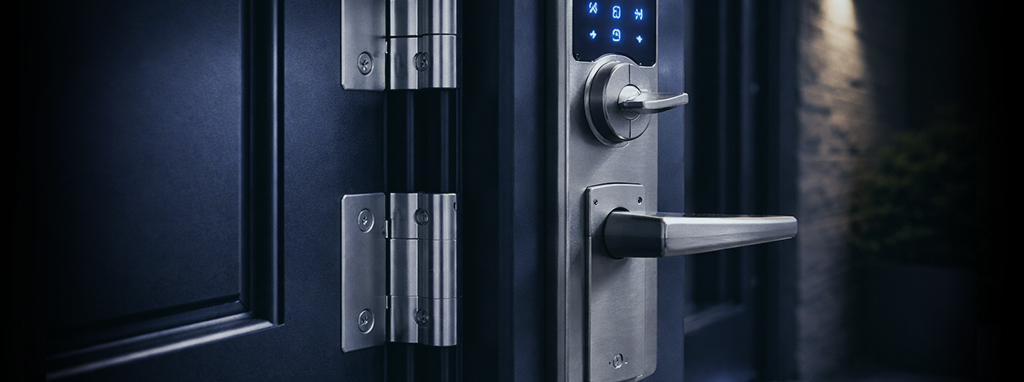
Locks are only as strong as what they are anchored to—but they still matter.
- Deadbolt quality, throw length, and cylinder selection.
- Handlesets chosen for both usability and strength.
- Options for key control, smart locks, and layered access.
Adjacent Structure
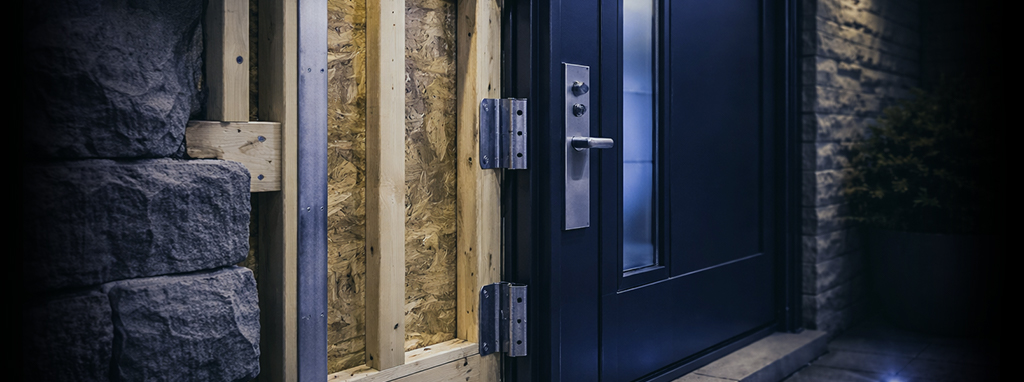
We look at the wall around the door, not just the door itself.
- Stud layout, sheathing, and how loads will transfer under impact.
- Weak points near glass, sidelites, or seams.
- Recommendations if framing changes are warranted.
Everyday Use & Look
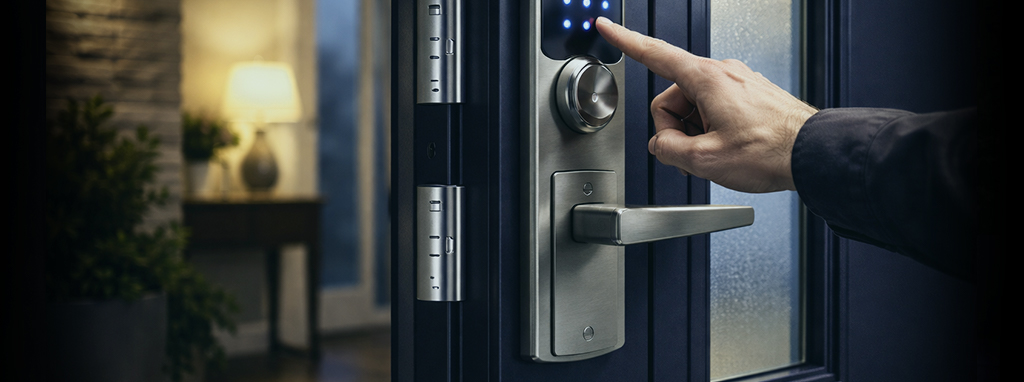
If you hate using it, you won’t keep it. It has to work in real life.
- Operation that feels “normal”, not like a vault door.
- Finishes that match your home’s style, not fight it.
- Clear rules and routines for locks and access.
How A Door Hardening Project Works
We treat reinforced doors as part of a bigger system — your home, your plan, and your budget.
- Assessment. As part of a 150-point assessment or stand-alone visit, we identify your highest-priority doors and how they currently fail.
- Options & Build Levels. We outline “good, better, best” paths: targeted hardware, deeper frame work, or full replacement.
- Scope & Quote. You see exactly which doors we’re touching, which materials we’re using, and what’s included.
- Install & Fit. We complete or coordinate the work, making sure everything closes, seals, and operates cleanly.
- Final Walkthrough. We show you what changed, how it behaves under force, and how it fits into your drills and routines.
Build Levels (Example)
- Targeted Reinforcement: Strike and hinge upgrades, longer fasteners, basic hardware review.
- System Upgrade: Reinforced frames, higher-spec hardware, door adjustments, minor framing work.
- Full Replacement: New door, frame, and hardware package designed as one system from the start.
Typical project size:
Who Reinforced Doors & Frames Are For
In a lot of homes, the difference between “that was loud but nothing broke” and “they’re inside the house” is the quality of one or two door sets. Hardening those points first makes sense for most families.
- Homes with older or builder-grade doors and frames in key locations.
- Families who have already had an attempted break-in or forced entry.
- Public-facing individuals or business owners with higher exposure.
- Clients planning Fortified Spaces or safe rooms and wanting the perimeter to match.
Who Reinforced Doors & Frames Are For
150-Point Assessment
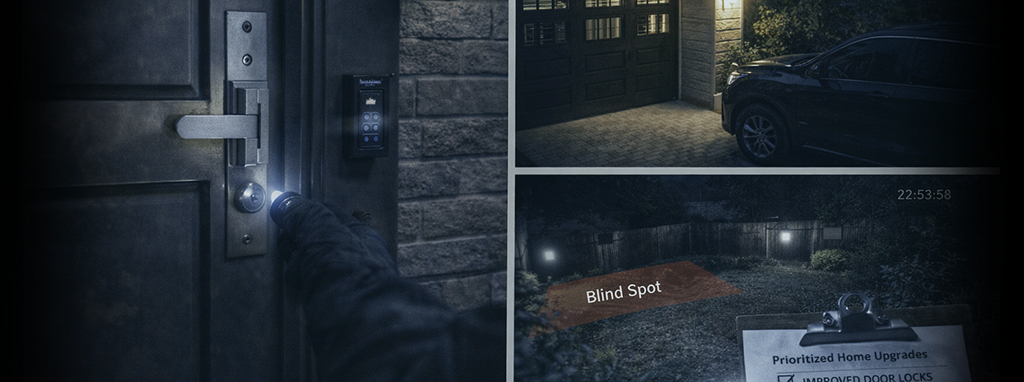
We usually start here. You get a mapped view of where your doors sit in the bigger picture—sightlines, approach paths, and likely breach routes.
- Ranks doors by risk and priority.
- Shows where reinforcement has the biggest payoff.
- Aligns hardware choices with your overall plan.
Breach Testing & Hardening
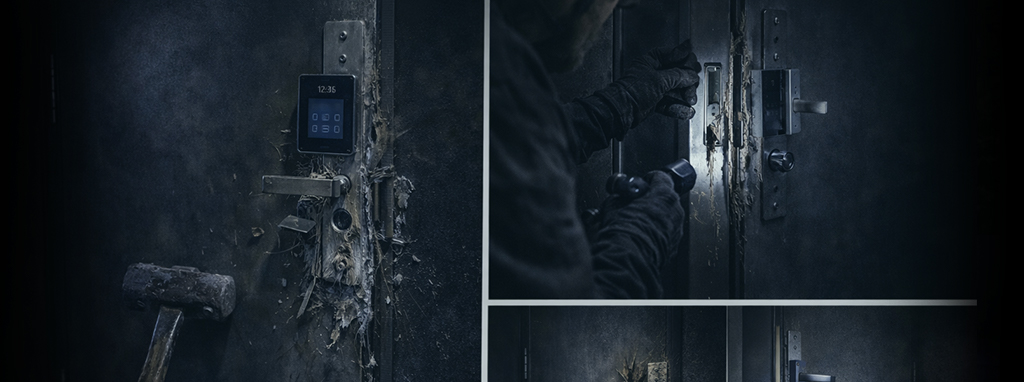
If you’ve had doors fail—or you’ve run controlled tests—we fold those lessons directly into how we reinforce or replace specific openings.
- Targets known weak points, not just theory.
- Links door work to other structural upgrades.
- Closes off “easy wins” for repeat attempts.
Fortified Spaces & Safe Rooms
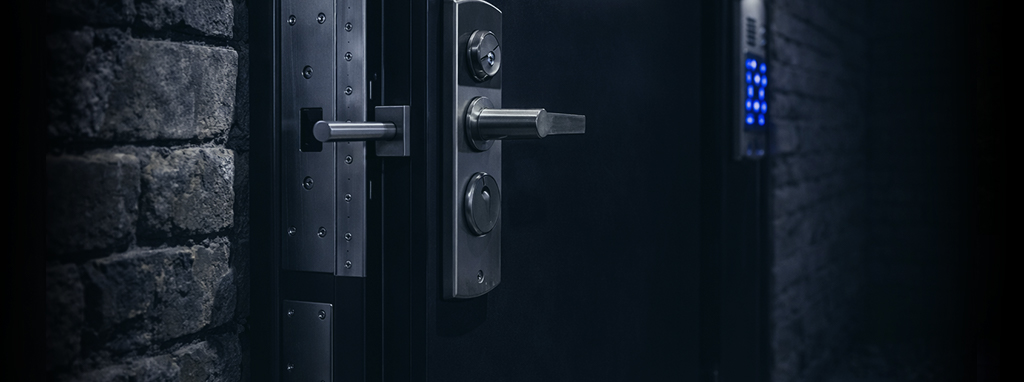
Your strongest rooms are only as strong as the doors that guard them. We make sure those doors match the job.
- Safe-room and Fortified-Space doorsets.
- Chokepoint and hallway door strategies.
- Hardware choices that work with your drills.
Pricing & Booking
Door reinforcement work is quoted per opening and depends on whether we’re upgrading what you have or replacing the entire system. We don’t quote this over a single email—seeing the actual doors and framing matters.
- Pricing scales with the number of doors, hardware level, and framing changes.
- Options for phased work starting with highest-risk doors first.
- Design-only packages available if you have your own trusted trades.
If you’re in the Langley / Lower Mainland area and you’re worried about how quickly your doors would fail under real force, this is usually one of the first upgrades worth talking about.
Make The First Kick Work For You, Not Them
You can’t control who might decide to lean on your door one night. You can control what happens to the frame, the hardware, and the time you get in those first few seconds.