
FORTIFIED SPACES

Hidden Rooms & Passages

Discreet rooms, nooks, and routes built into the home you already live in. From “no one notices it” storage to fully usable hidden spaces. Designed to add options and reduce exposure – without turning your house into a movie set.


What We Mean By Hidden Rooms & Passages

A hidden room or passage is not magic. It is a carefully designed space that is harder to notice, harder to understand quickly, and easier for you to use on your own terms. Done right, it looks and feels like part of your home until the moment you need it to do something different.

  • Entries are disguised as ordinary doors, cabinets, or wall sections.
  • The structure, hardware, and layout are planned around real-world use and safety.
  • Every design is built around lawful, legitimate uses – privacy, safety, and controlled access.

We focus on what hidden spaces can do for you: delay, discretion, safe storage, and alternative options when normal routes or rooms aren’t the best choice.

Common Hidden Room & Passage Patterns

Examples of the kinds of projects we design and build, always tailored to your specific home
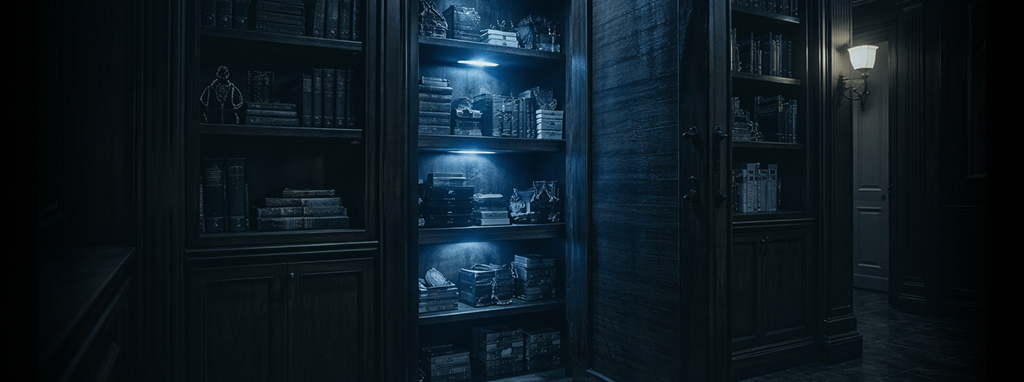
Concealed Closets & Nooks

Concealed Closets Nooks Web

Small hidden spaces that live behind what looks like normal cabinetry or wall sections.
  • Bookcase doors and pivoting wall panels.
  • False backs in closets or built-ins.
  • Shallow depth spaces for documents and essentials.
  • Designed to blend with existing trim and finishes.

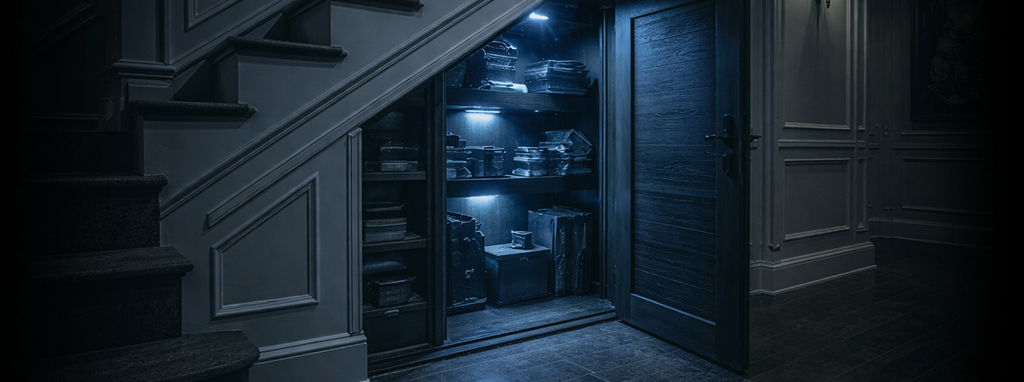
Under-Stair & Dead-Space Rooms

Under Stair Dead Space Rooms Web

Turning unused voids into discreet, functional spaces with controlled access.
  • Conversions of under-stair voids and attic knee walls.
  • Hidden entries integrated into stair or hall design.
  • Short-term shelter, storage, or equipment spaces.

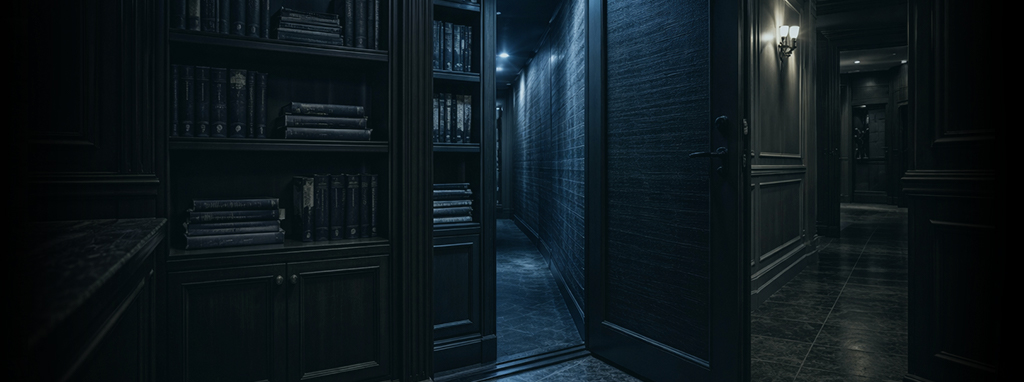
Secondary Passages & Routes

Secondary Passages Routes Web

Where structure allows, adding alternative, less obvious internal routes.

  • Pass-throughs between closets or back-of-room areas.
  • Routing that connects to Fortified Spaces or safe rooms.
  • Designed to respect load paths and code constraints.

Hidden Equipment & Control Rooms

Hidden Equipment Control Rooms Web

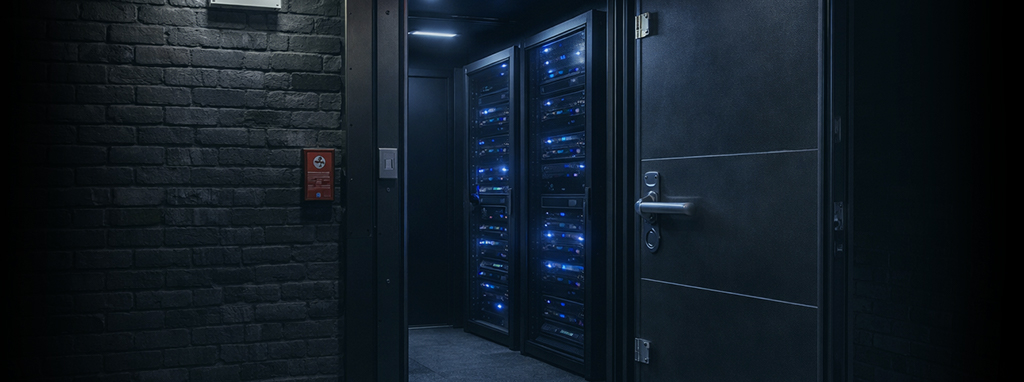
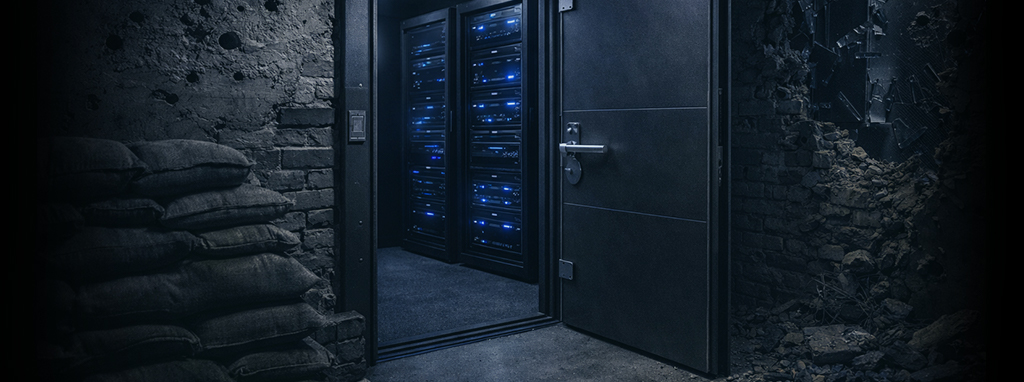
Spaces that quietly house networking, security, or storage hardware out of casual view.
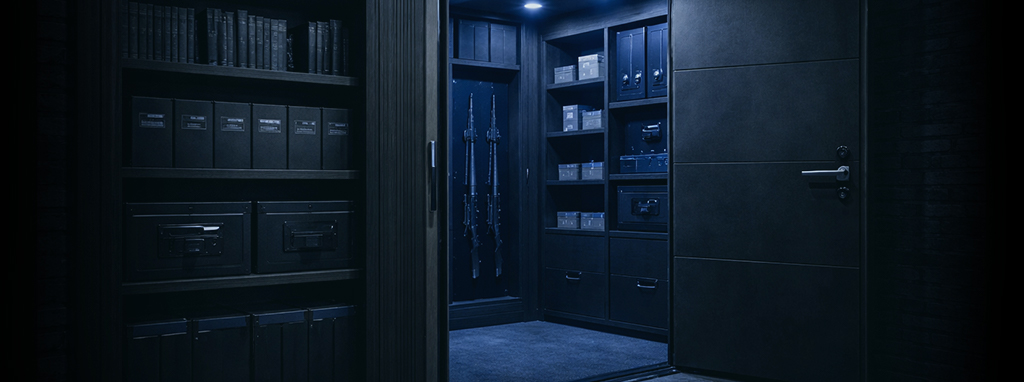
  • Discreet rooms for racks, NVRs, and power systems.
  • Controlled access so not every tradesperson sees your core gear.
  • Noise and heat management considerations.

Integrated Hidden Storage

Integrated Hidden Storage Web

Larger, room-scale storage that pairs with smaller hidden compartments and furniture.
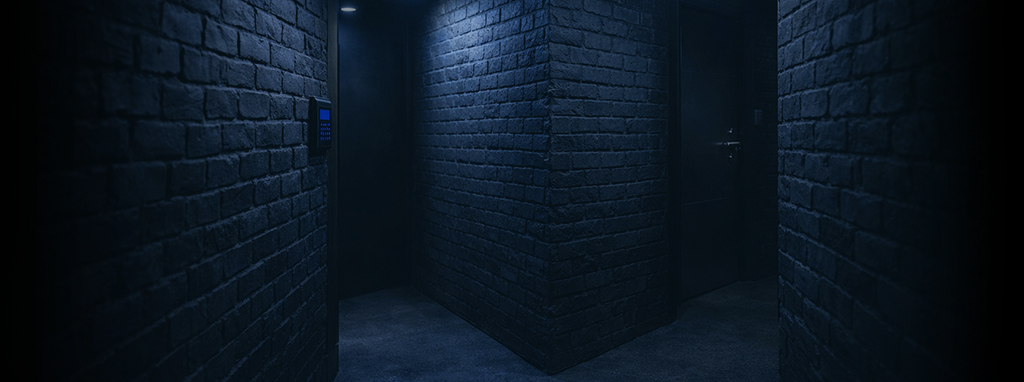
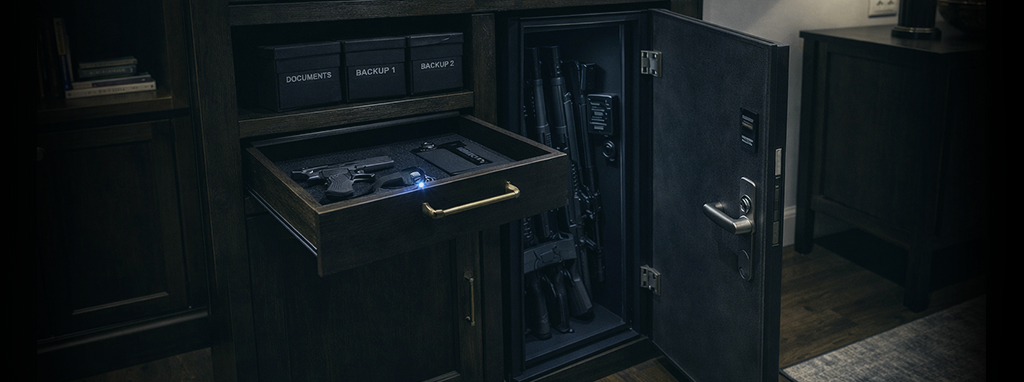
  • Zones for documents, backups, and critical items.
  • Options for RFID or key-based access to specific sub-areas.
  • Placement that supports your drills and daily routines.

Discreet Transition Spaces

Discreet Transition Spaces Web

Short sections of hallway or vestibule that break line-of-sight and create decision points.
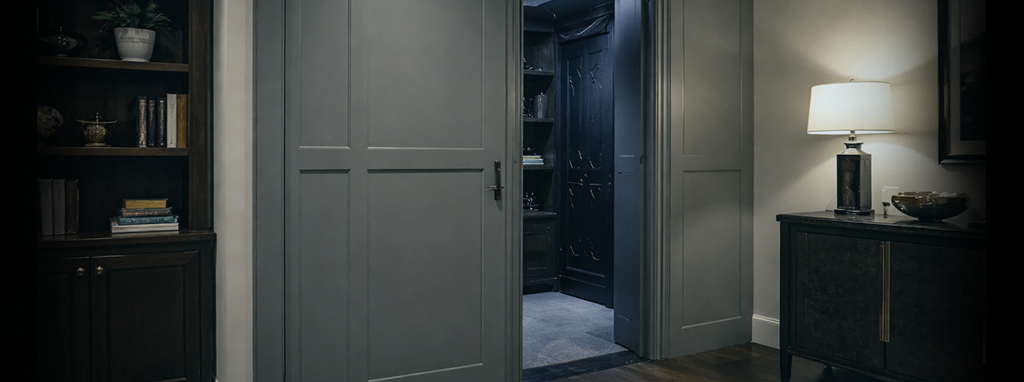
  • Small bends, offsets, or doors that hide what’s next.
  • Connections between visible and hidden routes.
  • Integration with lighting and camera coverage.

Design Priorities For Hidden Architecture

Discreet First

Discreet First Web

If a hidden space looks like a prop, it will be treated like one. We design to disappear into normal life, not draw attention.
  • Matching trim, hardware, and sightlines.
  • Avoiding “gimmick” looks unless you ask for them.
  • Doors and panels that move and sound like the rest of the house.

Safety & Structure

Safety Structure Web

Hidden does not mean unsafe. We treat structure, fire egress, and basic health as non-negotiable.
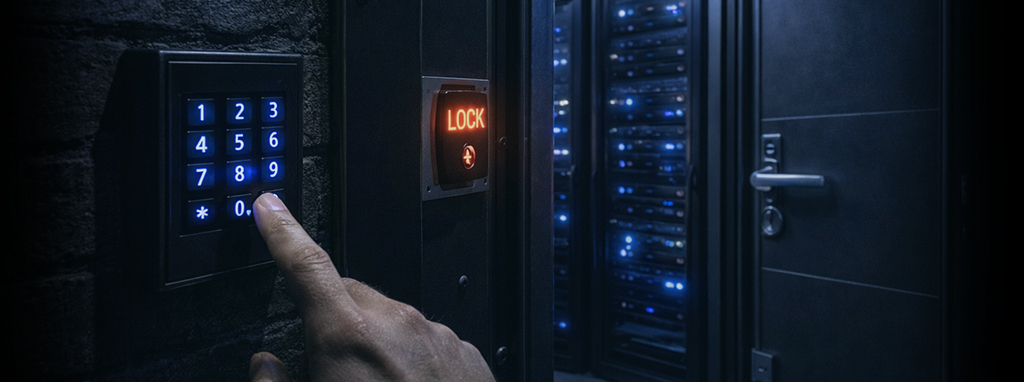
  • Respect for load-bearing elements and building envelopes.
  • Ventilation, lighting, and access considered up front.
  • Coordination with qualified trades and, where required, local regulations.

Usable Under Stress

Usable Under Stress Web

When you’re under pressure, you don’t have time for puzzles. Operation should be simple and repeatable.

  • Clear, simple open/close mechanisms.
  • Practice and drills aligned with how entries work.
  • Options for kid-friendly versus adult-only access.

How A Hidden Room Or Passage Project Works

The more honest the planning, the better the outcome. We keep the process straightforward and documented.

  • Initial Consultation. We talk about what you want the hidden space to do – storage, shelter, privacy, or a mix.
  • On-Site Survey. We inspect candidate areas, structure, utilities, and existing finishes to see what’s realistically possible.
  • Concept Options. We sketch multiple approaches: light concealment, fully hidden, or integrated with a Fortified Space or safe room.
  • Engineering & Scope. Where needed, we loop in structural or code specialists, then lock in materials, mechanisms, and finishes.
  • Build & Walkthrough. We complete or coordinate the work, then walk you through operation, maintenance, and how it ties into your routines.

What You Leave With

  • A hidden space with a clear, defined purpose.
  • Entries and mechanisms you’ve practiced using.
  • Notes on who knows about it and how access is controlled.
  • Integration points with ARX assessments, drills, and storage plans.
  • Documentation you can keep for selected professionals you trust.
 
Typical timelines

Who Hidden Rooms & Passages Are For

Hidden spaces are not about dodging responsibility or law. They’re about protecting people, controlling access, and reducing how much of your life is visible to every set of eyes that walks through your door.

  • Families who want discreet storage or backup shelter options built into everyday rooms.
  • Homeowners with sensitive equipment or documents who don’t want every contractor seeing their core setup.
  • Public-facing individuals who need more privacy than a standard floor plan provides.
  • Clients pairing hidden spaces with Fortified Spaces or safe rooms as part of a layered plan.

The goal is not paranoia. The goal is to make sure the most important people and things in your life are a little harder to casually see, reach, or interfere with – while your home still feels like your home.
How Hidden Spaces Fit Into The ARX System

Fortified Spaces

Fortified Spaces Web 1

Hidden rooms can be standalone, or they can be the “back layer” behind a Fortified Space or hardened hallway.
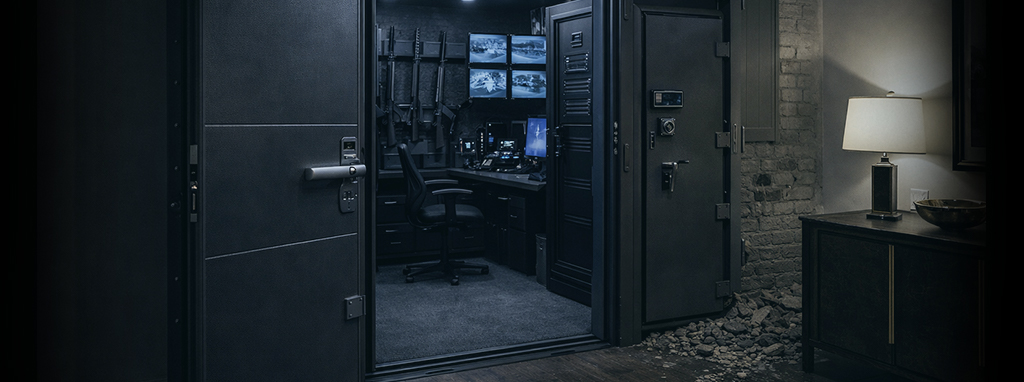
  • Secondary options if a primary room is compromised.
  • Routes that move from visible to hidden zones.
  • Design tuned to your drills and response plans.

Safe Rooms & Panic Rooms

Safe Rooms Panic Rooms Web

In some homes, the safe room is fully visible; in others, it’s partly or fully concealed. We design both options and show you the trade-offs.
  • Clear roles for visible vs hidden protection.
  • Options for multiple rooms serving different jobs.
  • Integrated communication and access planning.

Hidden Storage & Furniture

Hidden Storage Furniture Web

Room-scale hidden spaces pair well with smaller RFID and furniture-based compartments for tiered access.

  • Outer room vs inner compartment logic.
  • Access control for different family members.
  • Alignment with local laws and best practices.

Pricing & Next Steps

Hidden rooms and passages are inherently custom. Costs depend on structure, finishes, mechanism complexity, and how much of the work is new construction versus retrofit.

  • Design-only packages are available if you already have trusted trades.
  • Full design-and-build projects are quoted after an on-site review.
  • You see a clear scope, phases, and materials list before work begins.

If you’re in the Langley / Lower Mainland area and want to explore hidden rooms or passages for your home, the first step is a focused consultation on your layout, structure, and goals.

Add Options Your Floor Plan Doesn’t Show

On paper, every home looks the same: bedrooms, bathrooms, kitchen, living room. Hidden rooms and passages are where you quietly add the options that don’t fit on a standard floor plan.