
FORTIFIED SPACES

Faraday Rooms & Enclosures

Selected rooms, closets, and enclosures designed to reduce or control wireless signals and digital noise in the spaces where it matters most — so you can choose what’s connected, what’s exposed, and what stays quiet.
 

What We Mean By Faraday Rooms & Enclosures

In plain terms, “Faraday” in a home context means spaces designed to reduce how easily signals move in or out. It is about control, not magic invisibility. We use this to create rooms and enclosures that cut down on wireless noise, location bleed, and casual digital eavesdropping.

  • We focus on practical, achievable reductions in signal, not lab-grade perfection.
  • We design around safety, building code, and electrical best practices.
  • Every project is anchored to a legitimate use: privacy, protection of equipment, or deliberate device-free zones.

The result is simple: some parts of your home behave differently when it comes to wireless signals and devices—with clear rules on how and when you use those spaces.

Types Of Faraday Solutions We Design

Different goals call for different levels of signal control and different kinds of spaces.

Faraday - Treated Rooms

Faraday Treated Rooms Web

Normal-looking rooms with built-in measures to reduce wireless signals.
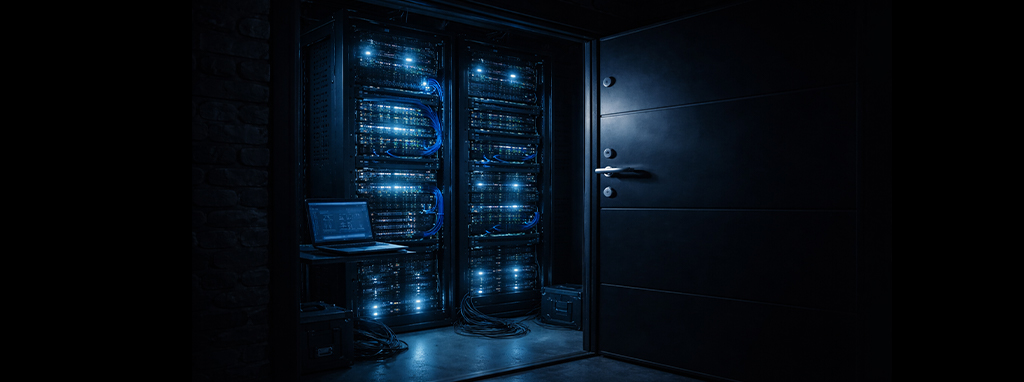
  • Often offices, safe rooms, or key bedrooms.
  • Focus on walls, doors, and key penetrations.
  • Designed to stay usable and comfortable daily.
 

Equipment Closets & Nooks

Equipment Closets Nooks Web

Concentrated spaces for network and security gear, with controlled signal behavior.

  • Closets or small rooms for racks, NVRs, and core hardware.
  • Signal-conscious layouts tied to your wider home network.
  • Noise, heat, and access folded into the design.

Small Device Enclosures

Small Device Enclosures Web

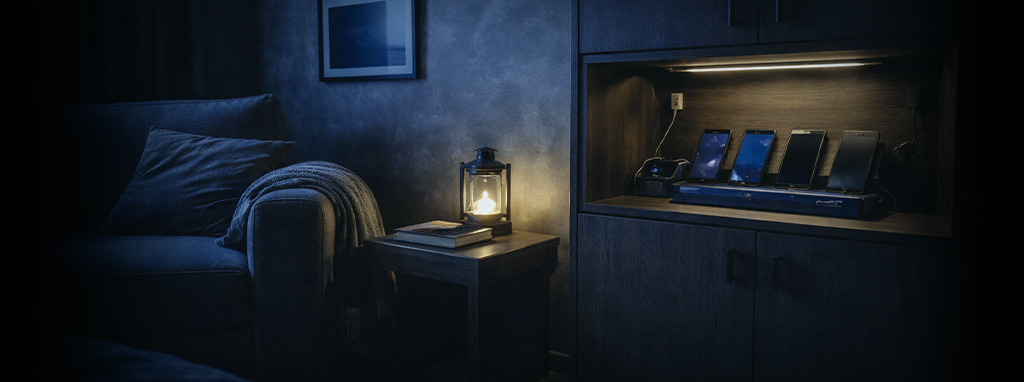
Cabinets, drawers, or lockboxes that act as “parking spots” for devices when you want them quiet.

  • Integrated into furniture, millwork, or hidden storage.
  • Options for RFID or keyed access.
  • Clear rules for when devices go in or stay out.

Meeting & Conversation Zones

Meeting Conversation Zones Web

Areas where you want fewer active devices and less wireless clutter during important conversations.

  • Paired with device policies and storage habits.
  • Signal-aware materials and layout.
  • Lighting and acoustics tuned for clear, calm discussion.

Faraday-Linked Safe Rooms

Faraday Linked Safe Rooms Web

Safe rooms that also incorporate signal control where privacy or targeted tracking is a concern.
  • Concept-level Faraday design for selected surfaces.
  • Integration with comms gear you still need to function.
  • Usage rules that balance privacy with emergency reach-out.

Selective “Off-Grid” Zones

Selective Off Grid Zones Web

Spaces meant for rest, offline time, or sensitive work with fewer digital distractions.

  • Physical room design plus device and charging policies.
  • Integration with hidden storage for powered-down devices.
  • Clear separation between “always connected” and “deliberately quiet.”

Design Priorities for Faraday Spaces

Safety & Code First

Safety Code First Web

Any time you’re affecting how a room handles wiring and materials, safety is non‑negotiable.

  • Respect for electrical code and grounding practices.
  • Ventilation, moisture, and fire behavior considered upfront.
  • Coordination with qualified electricians and trades.

Realistic Performance

Realistic Performance Web

We design for meaningful reductions in signal and exposure — not claims of “total invisibility” that don’t hold up.

  • Expectations set clearly at the design stage.
  • Matched to your specific risks and use cases.
  • Where needed, guidance on basic verification methods.

Livable & Repeatable

Livable Repeatable Web

A Faraday space only matters if you actually use it. It has to fit your routines, not fight them.

  • Normal-feeling rooms with subtle design changes.
  • Simple, repeatable rules for devices and access.
  • Integration with your broader ARX HomeGuard plan.

How A Faraday Room or Enclosure Project Works

Most of the value comes from planning: being honest about what you’re trying to protect and how you actually live.

  • Initial Consultation. We talk through your goals: privacy, sensitive work, device-free zones, or equipment protection.
  • Assessment & Layout Review. We look at candidate rooms or closets, existing wiring, and where your network and power already run.
  • Concept Options. We outline light, moderate, and more intensive approaches, including how they impact daily use.
  • Engineering & Scope. We coordinate with electricians and other trades as needed, then lock in materials, methods, and finishes.
  • Build, Test & Handoff. We complete or coordinate the work, then walk you through usage rules and basic checks you can repeat over time.

Who Faraday Rooms & Enclosures Are For

Not every home needs this level of signal control. For some people and situations, though, it’s the missing layer between “always on” and “completely exposed.”

  • People who handle sensitive work, discussions, or planning from home.
  • Public-facing individuals who want more control over where devices are listening or broadcasting.
  • Families who want clearly defined “device-off” zones for rest, sleep, or focus.
  • Clients tying signal control into safe rooms, Fortified Spaces, or hidden storage.

What You Leave With

  • Clearly defined rooms or enclosures with a specific signal-control purpose.
  • Documented design choices and limitations.
  • Simple rules for what devices do and don’t go into those spaces.
  • Integration points with Fortified Spaces, safe rooms, and hidden storage.
  • Information you can share with trusted professionals if you choose.


Typical timelines
The goal is not paranoia. The goal is to make sure that in at least a few key places, you decide what’s broadcasting, what’s listening, and what stays powered down — on your own terms.

How Faraday Spaces Fit Into The ARX System

Fortified Spaces

Fortified Spaces Safe Rooms Web

Signal control can be layered into Fortified Spaces so the rooms built for worst‑case nights also behave differently for devices and wireless gear.
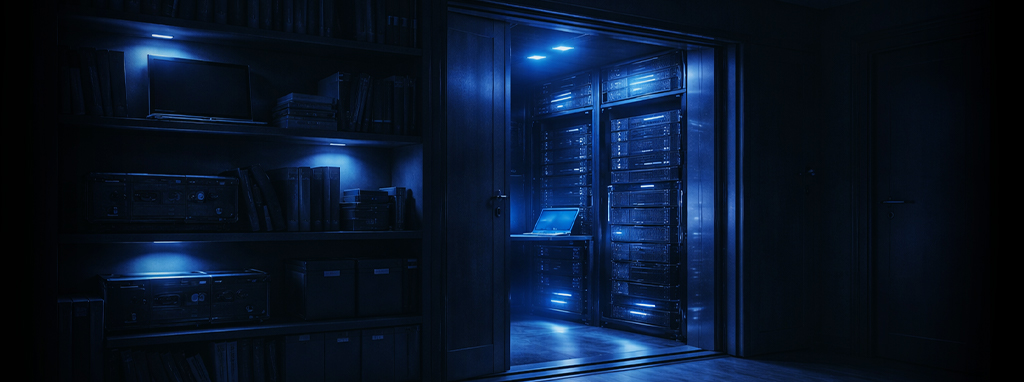
  • Faraday-treated elements in safe or hardened rooms.
  • Clear roles for where devices live and where they don’t.
  • Aligned with your drills and communication plans.

Hidden Rooms & Storage

Hidden Rooms Storage Web

Faraday ideas pair naturally with hidden rooms, cupboards, and compartments meant for powered-down devices and sensitive equipment.
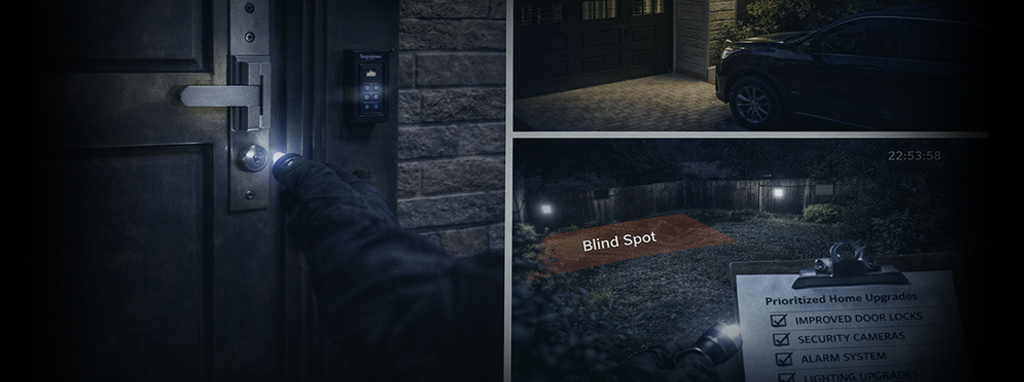
  • Rooms or compartments that act as “quiet parking” for electronics.
  • RFID or key-based access for specific enclosures.
  • Policies for when devices go in — and when they never should.

150-Point Assessment & Hardening

150 Point Assessment Web 5

We use the broader assessment to decide where Faraday-style work makes sense and where traditional hardening gives you more return first.

  • Helps prioritize structural, door, and window work versus signal control.
  • Shows how Faraday spaces fit into your overall plan.
  • Prevents overspending on the wrong layer of security.

Pricing & Booking

Faraday rooms and enclosures are fully custom. Pricing depends on the size and type of space, how much signal control you’re aiming for, and how much electrical and finish work is involved.

  • Design-only packages if you already have trusted electricians and trades.
  • Full design-and-build options after on-site review.
  • Clear scope, limitations, and maintenance notes before work begins.

If you’re in the Langley / Lower Mainland area and want at least one room or enclosure that behaves differently for devices and signals, the first step is a focused consultation.

Give Yourself One Place That Stays Quiet

Your whole life doesn’t have to be offline. But having at least one room or enclosure where you decide what’s connected – and what isn’t – can change how secure and settled your home feels.