
A hidden room or passage is not magic. It is a carefully designed space that is harder to notice, harder to understand quickly, and easier for you to use on your own terms. Done right, it looks and feels like part of your home until the moment you need it to do something different.
We focus on what hidden spaces can do for you: delay, discretion, safe storage, and alternative options when normal routes or rooms aren’t the best choice.
Examples of the kinds of projects we design and build, always tailored to your specific home
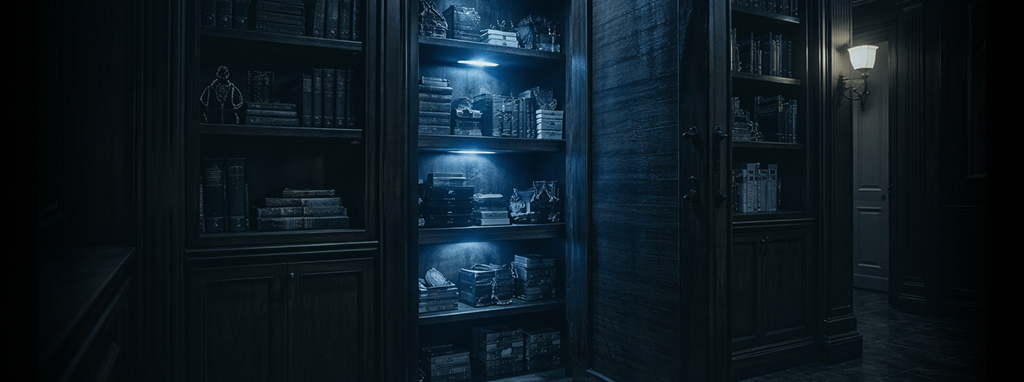
Small hidden spaces that live behind what looks like normal cabinetry or wall sections.
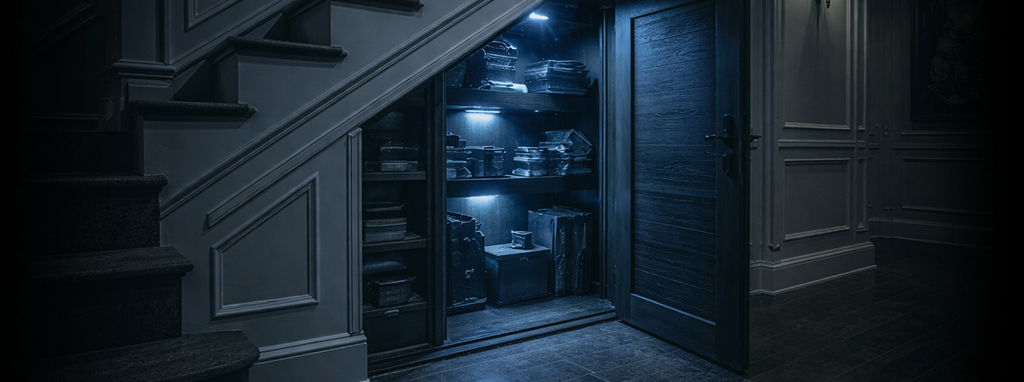
Turning unused voids into discreet, functional spaces with controlled access.
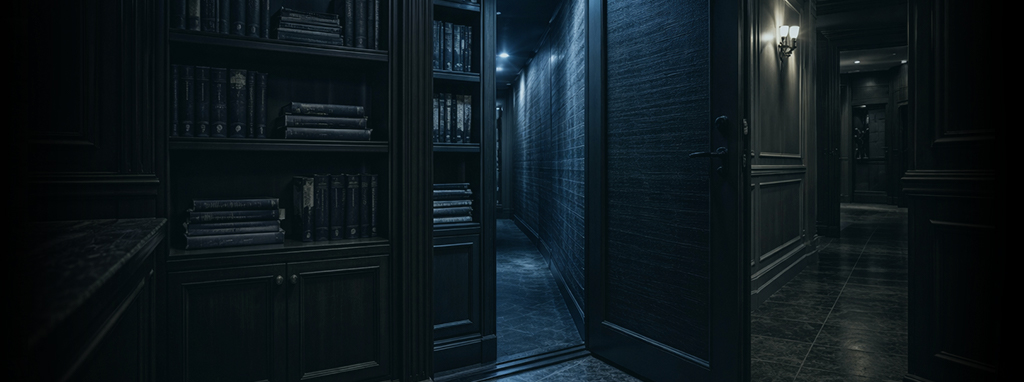
Where structure allows, adding alternative, less obvious internal routes.

Spaces that quietly house networking, security, or storage hardware out of casual view.
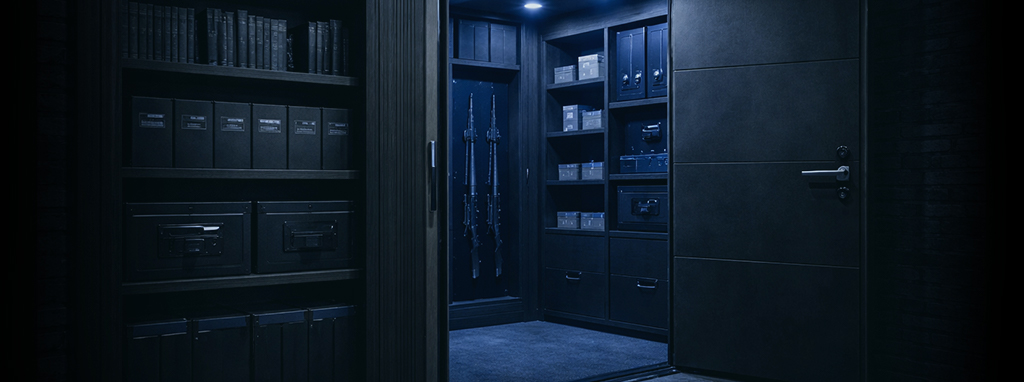
Larger, room-scale storage that pairs with smaller hidden compartments and furniture.
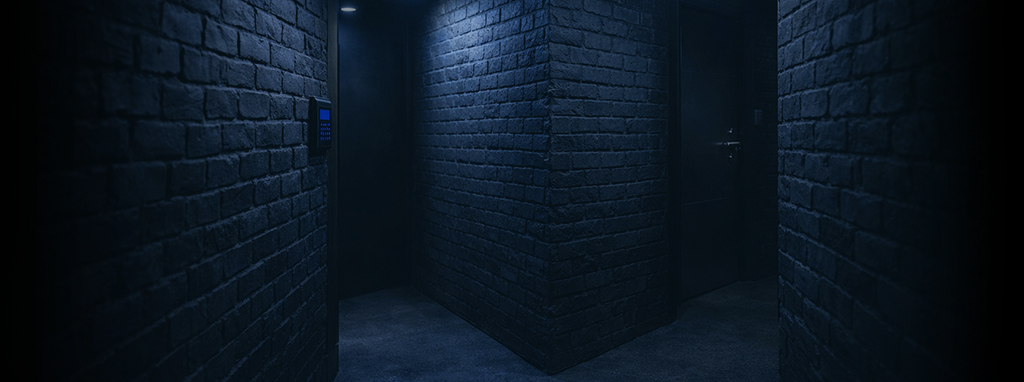
Short sections of hallway or vestibule that break line-of-sight and create decision points.
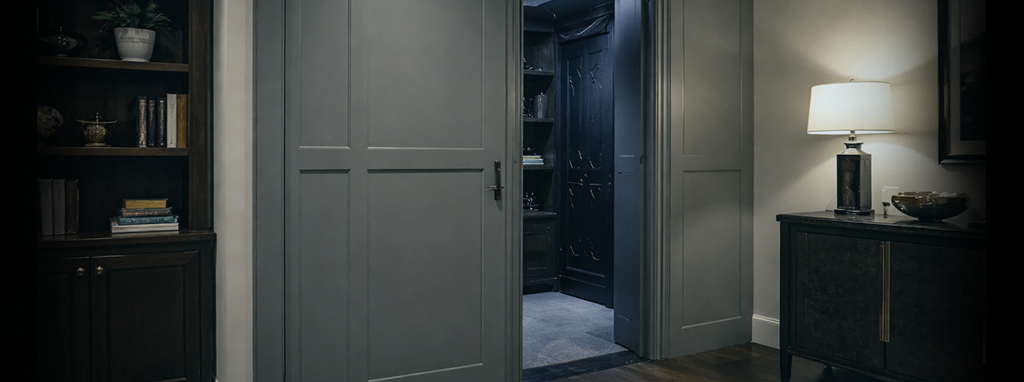
If a hidden space looks like a prop, it will be treated like one. We design to disappear into normal life, not draw attention.
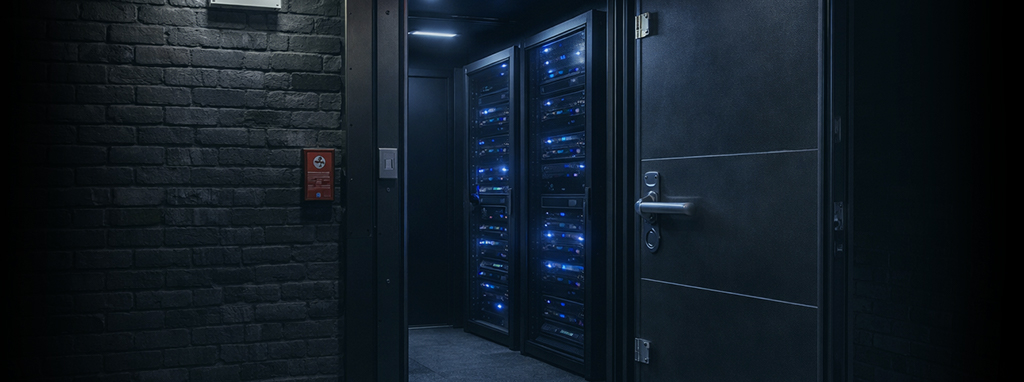
Hidden does not mean unsafe. We treat structure, fire egress, and basic health as non-negotiable.
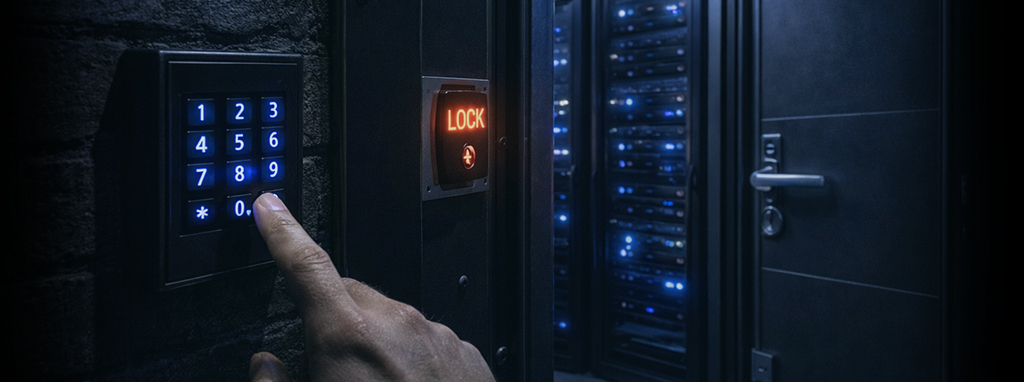
When you’re under pressure, you don’t have time for puzzles. Operation should be simple and repeatable.
The more honest the planning, the better the outcome. We keep the process straightforward and documented.
Hidden spaces are not about dodging responsibility or law. They’re about protecting people, controlling access, and reducing how much of your life is visible to every set of eyes that walks through your door.
The goal is not paranoia. The goal is to make sure the most important people and things in your life are a little harder to casually see, reach, or interfere with – while your home still feels like your home.
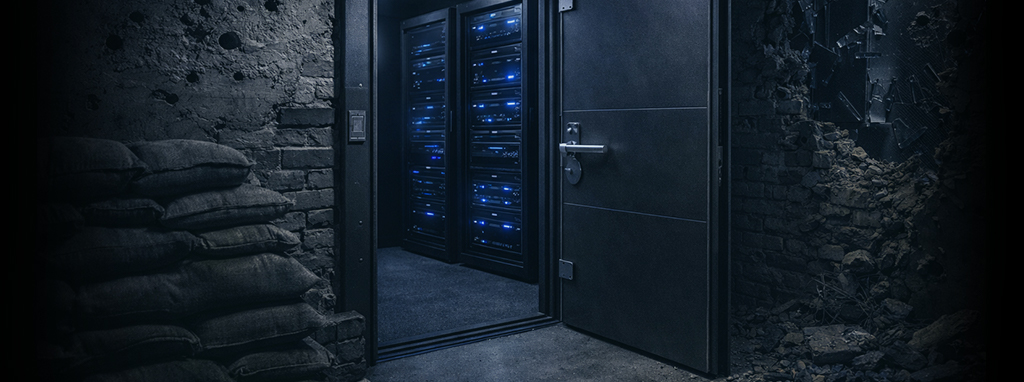
Hidden rooms can be standalone, or they can be the “back layer” behind a Fortified Space or hardened hallway.
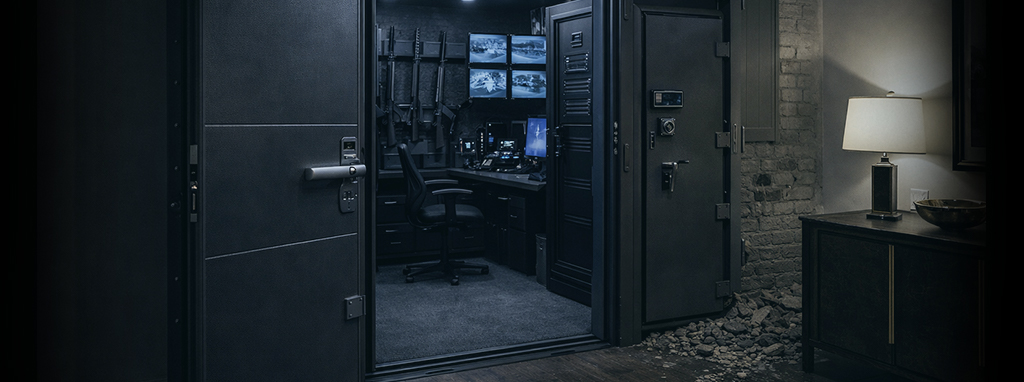
In some homes, the safe room is fully visible; in others, it’s partly or fully concealed. We design both options and show you the trade-offs.
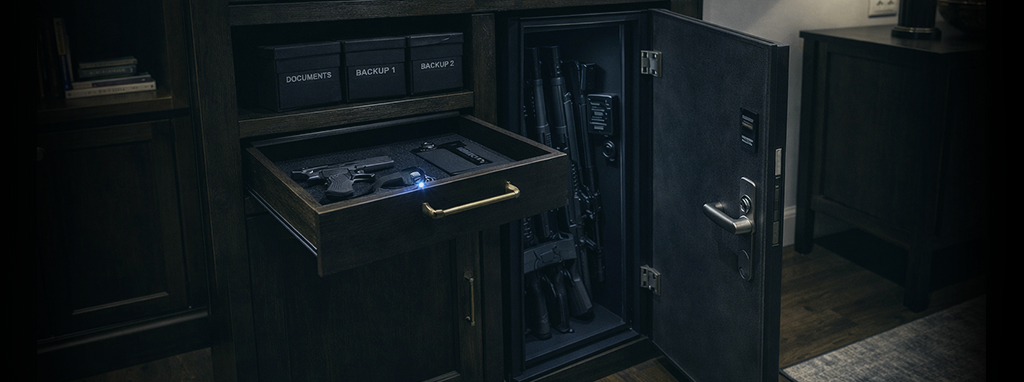
Room-scale hidden spaces pair well with smaller RFID and furniture-based compartments for tiered access.
Hidden rooms and passages are inherently custom. Costs depend on structure, finishes, mechanism complexity, and how much of the work is new construction versus retrofit.
If you’re in the Langley / Lower Mainland area and want to explore hidden rooms or passages for your home, the first step is a focused consultation on your layout, structure, and goals.
On paper, every home looks the same: bedrooms, bathrooms, kitchen, living room. Hidden rooms and passages are where you quietly add the options that don’t fit on a standard floor plan.