
FORTIFIED SPACES
A safe room is a hardened room or zone inside your home that gives you a strong, defensible place to move to during a break-in, targeted threat, or other high-stress event. It is not about living in fear – it is about buying time, creating distance, and keeping communication open until the situation is under control.
“Panic room” is the dramatic name. In practice, a good safe room is calm, simple to use, and built to support clear decisions – not panic.
Different homes call for different approaches. These are the most common patterns.
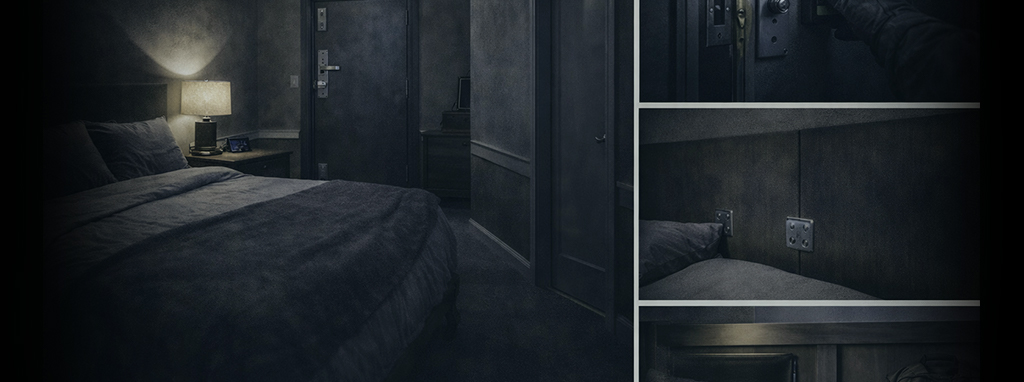
Your main sleeping space upgraded as the core shelter-in-place location.
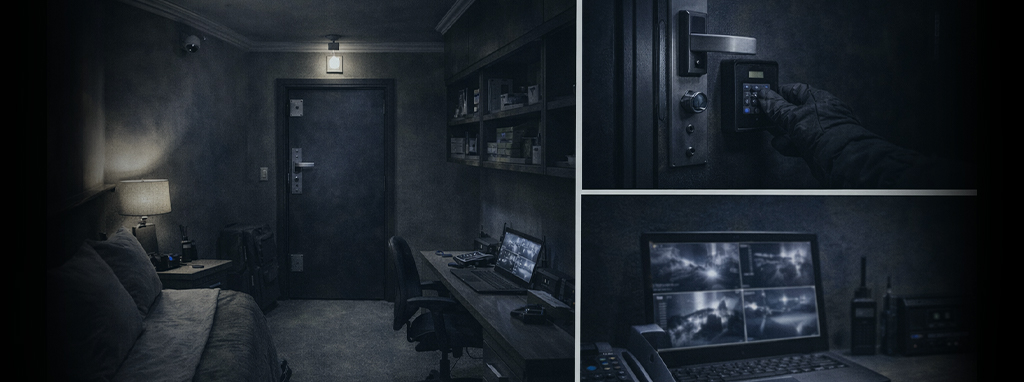
A specific room chosen for strength and access, then purpose-built as your strongest option.
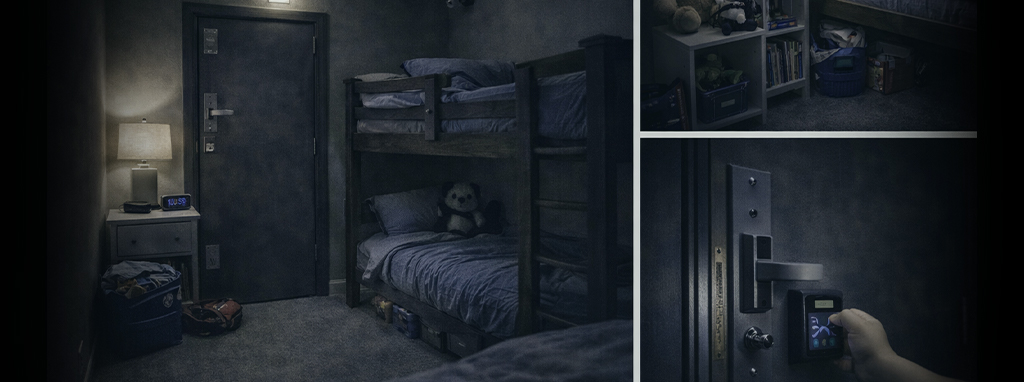
Spaces designed with kids in mind – simple paths, simple rules, and extra focus on calm.
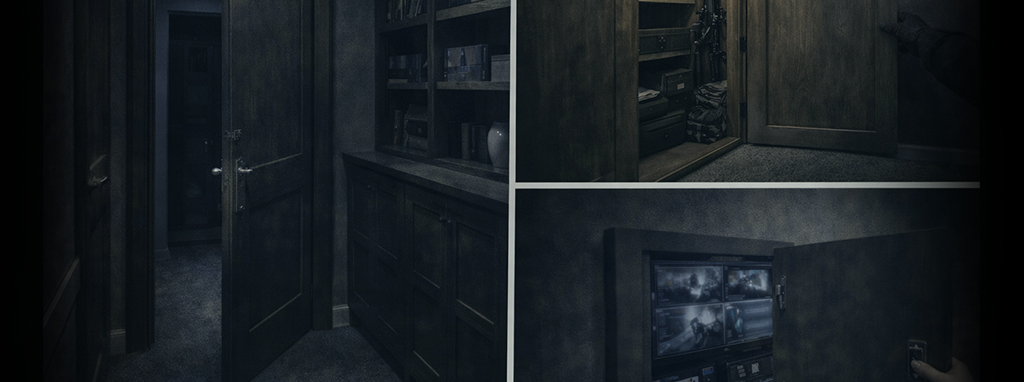
Rooms concealed behind cabinetry, millwork, or secondary doors for added delay and confusion.
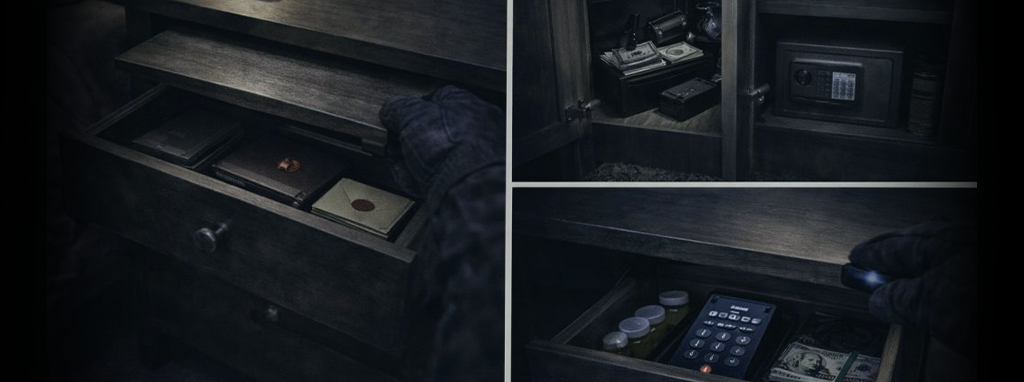
Spaces that protect both people and critical items, within local laws and best practices.
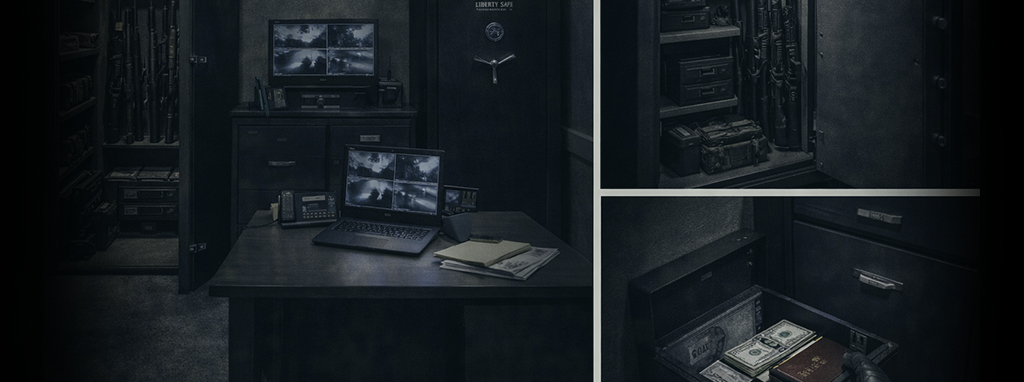
Safe rooms that also incorporate signal-control concepts where privacy is a concern.
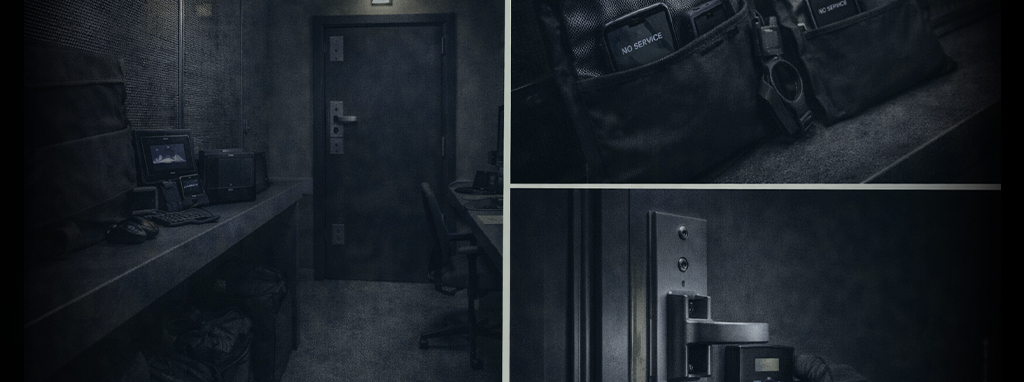
The primary job of a safe room door and structure is to make forced entry harder, louder, and slower.
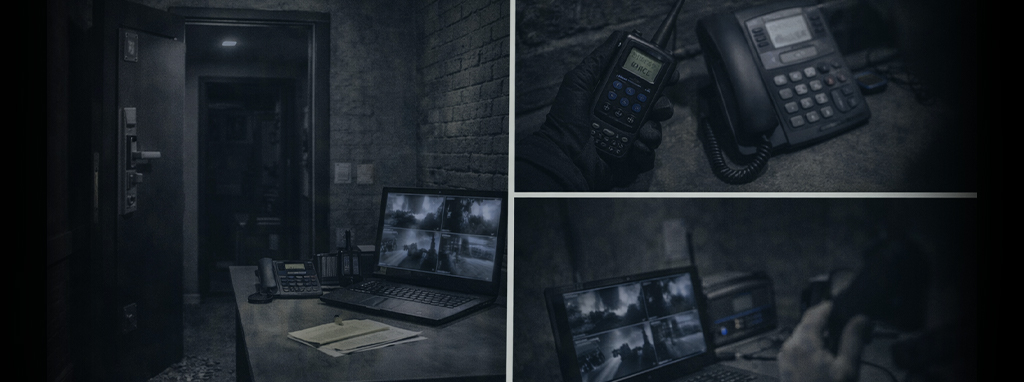
You need to be able to call for help and understand what’s happening outside the door.
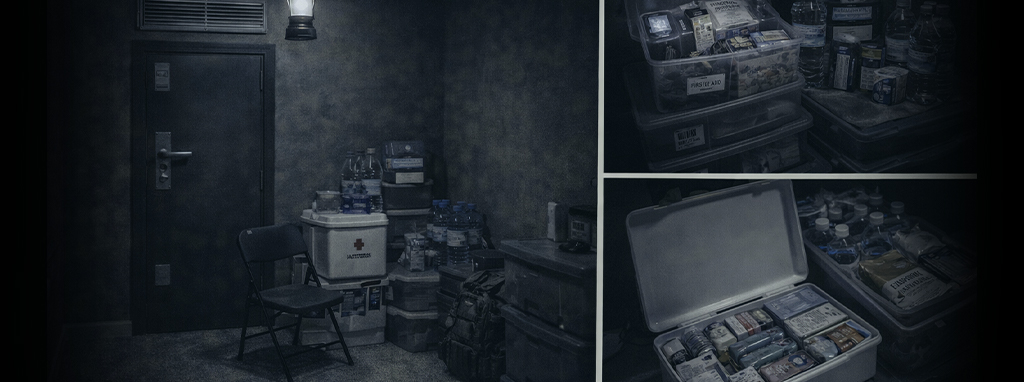
Even short-duration events feel long. The room should support clear decisions, not add stress.
We keep the process grounded and transparent – from first conversation to final walkthrough.
Not every home needs a safe room. For some families and situations, though, it’s the layer that means you can stay where you are instead of planning to leave the area entirely.
The aim is not to padlock yourself away from the world. The aim is to know that if the one night you never wanted actually shows up, there is a room in your home that was designed for that exact night – not just for how it photographs.
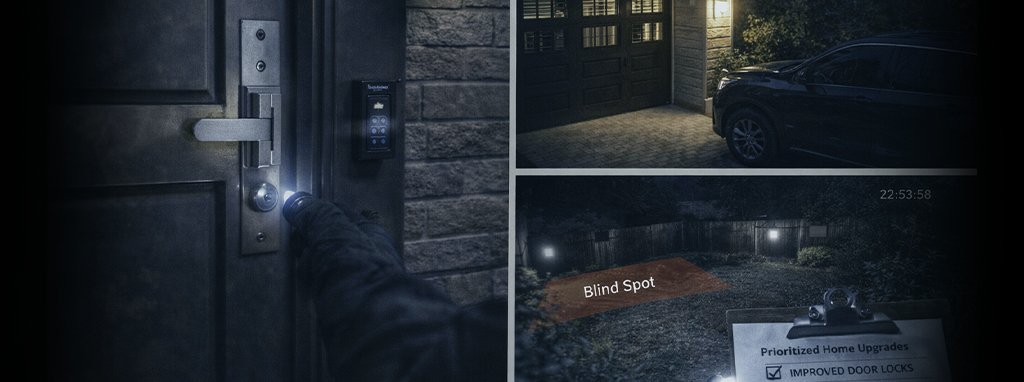
Most safe-room projects start with a full home assessment. That way, the room you choose and the upgrades you make line up with the rest of your home’s strengths and weaknesses.
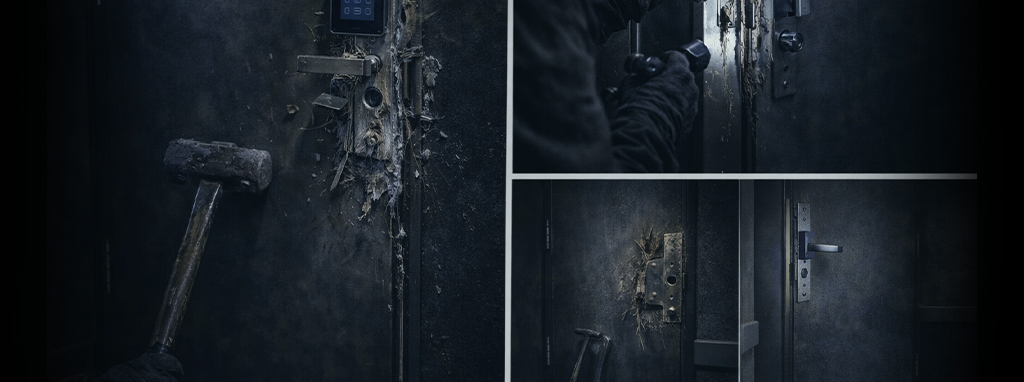
If a door, frame, or layout has already failed, or you’ve done breach testing, we fold those lessons directly into your safe-room design.
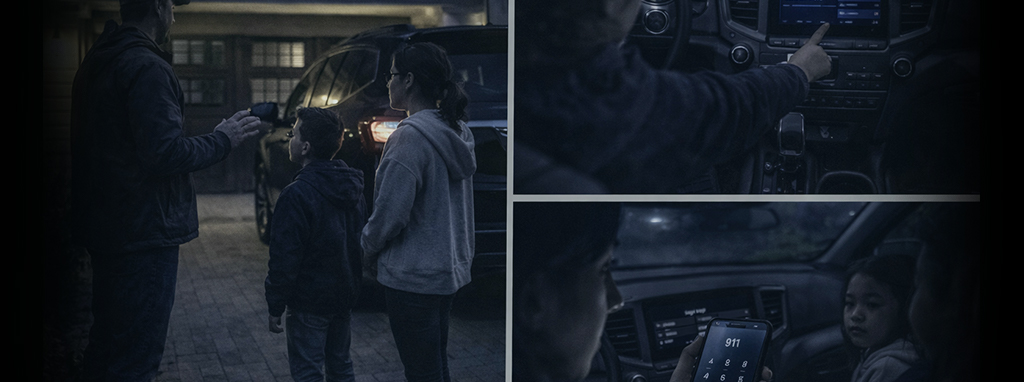
A safe room only works if people know when and how to use it. Training and drills make sure your family can reach it and use it under stress.
Because every home and every safe room is different, pricing is project-specific. We don’t quote safe rooms over a single email. We start with a conversation and, usually, an on-site assessment.
If you’re in the Langley / Lower Mainland area and want to explore a safe or panic room for your home, the first step is a focused consultation on your layout, risk, and goals.
You can’t control when or if a worst-case scenario shows up. You can control whether there is at least one room in your home that was built with that day in mind.